Alright, let’s talk about one of the smartest moves we can make as homeowners: turning that under-used, often spooky basement into a legitimate source of extra income. Forget the cobwebs and the mysterious boxes of “stuff” from 2003. We’re talking about transforming that square footage into a comfortable, rentable unit that pays us every month. It’s not just a project; it’s an investment in our financial flexibility.
But let’s be real—this isn’t about slapping up some drywall and calling it a day. It’s a serious home renovation that needs a solid plan, a clear understanding of the rules, and the right team. That’s where the journey begins, and honestly, it’s the part that separates a successful, profitable apartment from a costly headache.
The Dream vs. The Blueprint: Planning Your Basement Transformation
We’ve all had the fantasy. That monthly rental check hits our account, and suddenly, life feels a bit easier. Maybe it helps cover the mortgage, saves for a vacation, or builds a college fund. The “dream” is powerful. But the “blueprint”? That’s where we need to put our enthusiast hats on and get pragmatic.
First question: what do we actually want to build? A simple studio? A one-bedroom with a full kitchen? The scope directly affects everything—cost, timeline, and potential rental income. Here in the Bay Area, especially in places like Walnut Creek, Danville, or Oakland, a legal, permitted accessory dwelling unit (ADU) in a basement can command significant rent. But it has to be done right.
This is the stage where we see too many folks try to cut corners. They think, “It’s just a basement remodel,” and wing it. IMO, that’s a fast track to problems. A general contractor who specializes in this complex work isn’t an expense; they’re your project’s insurance policy. They’ll help us navigate the single biggest hurdle…
Navigating the Rulebook: Permits, Codes, and Why They’re Non-Negotiable
Okay, let’s talk about the not-so-fun part: regulations. Ever wondered why some basement apartments feel… off? It’s usually because they skipped this chapter. We’re creating a home for someone, which means safety and legality come first.
Local building codes govern everything:
- Ceiling Height: It usually needs to be at least 7 feet. Sorry, low-hanging ductwork, you’ve got to go.
- Egress: This is critical. There must be a proper, code-compliant door to the outside and adequate-sized windows that someone can actually escape through in an emergency. No basement bunkers allowed.
- Light & Ventilation: Natural light and airflow aren’t just nice-to-haves; they’re often required by code.
- Separate Utilities: For a truly independent unit, we might need separate meters for electricity, gas, and water. This is a big one to discuss early.
Trying to decipher Walnut Creek or Danville’s specific ADU ordinances alone can make our heads spin. A professional remodeling company like EA Home Builders here in Contra Costa County lives in this world. They handle the permit applications, ensure the plans meet all zoning and building codes, and save us from the nightmare of a red-tagged project. Trust us, the “cost” of getting it wrong is far higher than the price of doing it right with an expert.
Designing a Space People Actually Want to Live In
Now for the fun part! Once we know what’s legally possible, we get to create. This isn’t just finishing a basement; it’s designing a home. We need to think like a tenant. What would make us want to live here?
- The Kitchenette/Kitchen: Even for a studio, a functional cooking space is key. This isn’t just a kitchen remodeling project in our main house; it’s building one from the ground up. Think durable, easy-clean surfaces, compact but full-featured appliances, and smart storage. For a larger unit, a full kitchen remodeling approach is needed.
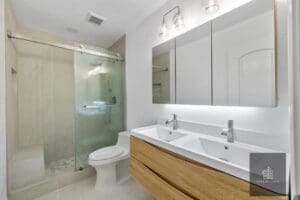
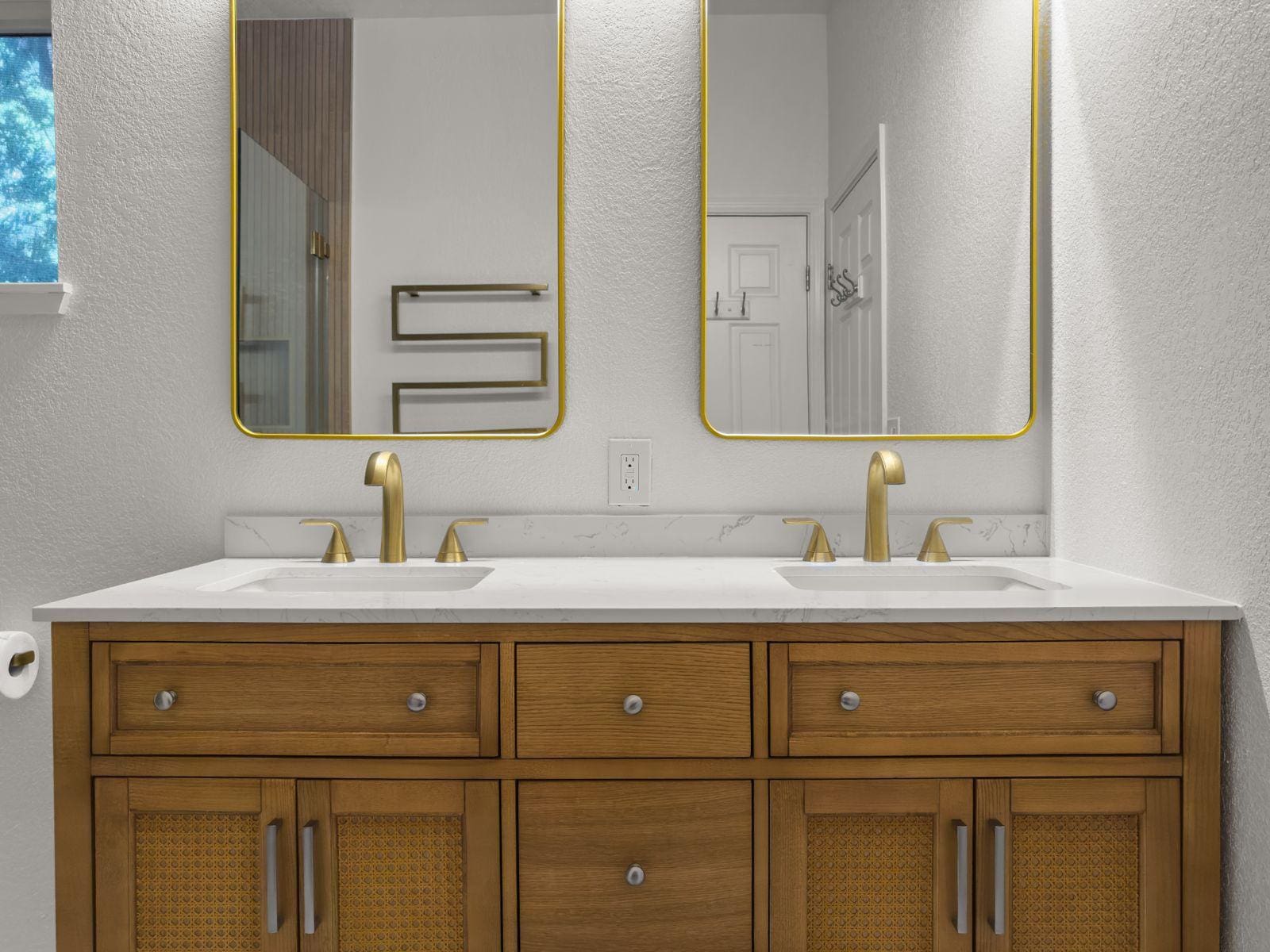
- The Bathroom: A clean, modern bathroom is a huge selling point. Working with a seasoned bathroom renovation contractor ensures we maximize a small space with smart layout, good ventilation to prevent mold, and quality materials that last.
- The Living/Bedroom Area: We need to prioritize an open feel. Strategic lighting (both natural and artificial), neutral colors, and built-in storage solutions can make a basement feel bright and spacious, not like a cave.
This is where custom remodels shine. Cookie-cutter solutions often fail in basements with their unique layouts, pillar placements, and low ceilings. A good basement remodel contractor will offer creative solutions for these challenges, turning obstacles into design features.
Let’s Talk Numbers: The Investment and The Return
We can’t avoid this conversation. What’s the damage going to be, and when do we start seeing green? FYI, a full, legal basement conversion in our area is a significant investment, but the ROI as a rental is typically excellent.
Here’s a basic breakdown of major cost variables:
| Variable | Lower-End / Basic Studio | Mid-Range / 1-Bedroom Unit | Higher-End / Luxury Home Renovations Finish |
|---|---|---|---|
| Scope | Studio, basic finishes, shared utilities | 1-Bed, separate entrance, mid-range finishes | Full ADU, high-end finishes, separate utilities, outdoor space |
| Key Factors | Existing layout favorable, minimal plumbing moves | Some layout changes, new bathroom/kitchen plumbing | Major structural work, premium appliances, custom details |
| Potential Bay Area Price Range | $75,000 – $125,000 | $125,000 – $200,000+ | $200,000 – $350,000+ |
| Rental ROI Consideration | Faster occupancy, lower rent | Broad tenant appeal, competitive rent | Premium rent, attracts long-term tenants |
Remember, these are rough estimates. The only way to get a real price is with a detailed plan and quotes. A professional home addition contractor or basement contractor will provide a transparent breakdown. The key is to view this not as a sunk cost, but as buying an income-producing asset. That monthly rent check is the return on our investment.
Why Going Pro is the Secret Weapon
Look, we’re all enthusiasts here. We love a good DIY project. But a basement apartment? That’s the major leagues. It involves structural knowledge, electrical, plumbing, HVAC, and navigating a maze of permits. Ever tried to explain drainage slope to a city inspector at 8 AM on a Monday? It’s not a party.
Hiring a general contractor like EA Home Builders means:
- One Point of Contact: They manage all the subs—the electricians, plumbers, framers.
- Problem Solvers: They’ve seen it all—the unexpected water line, the non-compliant beam. They find solutions.
- Time & Stress Savings: They run the project so we can live our lives.
- Quality & Warranty: The work is done to standard and often backed by a warranty.
When searching for “basement contractors near me” or “home remodeling near me,” don’t just click the nearest listing. Look at reviews, ask for portfolios of completed ADUs, and verify licenses and insurance. The “closest” contractor isn’t always the right fit; the right expert is worth their weight in gold. For those of us in Contra Costa County, starting with a local expert home improvement team that knows our specific municipal codes is a massive head start.
Your Next Steps: From Enthusiast to Landlord
So, we’re excited. We see the potential. What now?
- Initial Research: Check our local city or county website for ADU/basement conversion guidelines.
- Idea Gathering: Scroll Pinterest, Houzz, etc. Get a feel for styles and layouts we love.
- The Professional Consultation: This is the most important step. Reach out to a specialist. A firm like EA Home Builders can give us a reality check on our ideas, provide a ballpark feasibility assessment, and outline the process specific to Walnut Creek, Danville, or wherever our home is.
- Financing: Talk to our bank or a lender about home improvement loan options or leveraging equity.
Transforming a basement is more than a whole house remodeling side project. It’s a strategic home improvement that builds equity and generates income. It takes the unused, dark space beneath our feet and turns it into our family’s biggest financial asset.
We started this chat talking about escaping the “creepy basement” trope. Let’s end it by thinking about the call we could make. Imagine chatting with a remodeling company that’s done this dozens of times right here in our community. They get our vision, they know the inspectors by name, and they handle the chaos so we can just look forward to that first “rent paid” notification.
That’s the real transformation. It’s not just about the space; it’s about changing how our home works for us. And honestly, that’s a project worth doing right. 🙂
Basement Rental Conversion FAQ
1. How long does a typical basement conversion to a rental unit take?
From initial design to final inspection, a project like this usually takes 4 to 8 months. The timeline hinges on complexity, permit approval speed (which varies hugely by city in the Bay Area), and the scope of work. A simple studio will be quicker than a full one-bedroom ADU with a new separate entrance. A good general contractor will give you a realistic timeline upfront and manage the process to avoid major delays.
2. Will this increase my property taxes?
Yes, but likely not as much as you might fear. Because it’s a home addition (adding livable square footage), your property will be reassessed. However, only the value of the new improvement is added to your existing tax basis, not your home’s entire value. It’s always wise to consult with a local tax professional for the most precise impact for your home.
3. Can I do some of the work myself to save money?
Possibly, but tread carefully. Any structural, electrical, plumbing, or HVAC work must be permitted and performed by licensed professionals to be legal and safe. Where homeowners can often contribute is in the later stages: painting, installing trim, or laying certain types of flooring. Always clear this with your contractor first. They need to ensure your work fits their schedule and doesn’t void warranties or interfere with inspections. Trying to be your own bathroom remodeling or kitchen remodeling expert on a rental unit is a very risky move.