How To Use Mirrors To Enhance Space And Light In Your Home
Ever walked into a room and immediately felt it was just a bit too cramped or a tad too dim? We’ve all been there. You love your home, but sometimes the walls feel like they’re inching closer, and the lighting just never seems quite right. What if we told you one of the most powerful tools for transformation isn’t a sledgehammer or a skylight, but something far simpler? That’s right, we’re talking about mirrors.
Far from just being a spot to check your hair on the way out, mirrors are the secret weapon of designers and savvy homeowners. They’re like magic—affordable, relatively easy to implement, and wildly effective. At EA Home Builders, we see it all the time in our projects across Contra Costa County. Whether we’re finishing a luxury home renovation in Danville or planning a bathroom remodeling project in Walnut Creek, strategically placed mirrors are a trick we always have up our sleeve. Let’s chat about how you can harness this simple tool to completely change the feel of your space.
Why Mirrors Work: It’s Not Just Reflection, It’s Illusion
Before we start hanging things willy-nilly, let’s quickly geek out on the why. A mirror doesn’t just show you what’s in front of it; it creates the perception of depth. When light hits a mirror, it bounces back into the room, effectively doubling the light source’s impact. This instantly brightens dark corners and reduces the need for so many lamps (hello, lower energy bill).
Simultaneously, that reflection tricks our brain into believing the room extends beyond the wall. It’s a visual decompression chamber. So, if you’re working with a basement remodel contractor to finish a low-ceilinged space, or you’re frustrated with a narrow hallway, mirrors are your first line of defense. It’s the easiest “home improvement” you can make without ever calling a general contractor.
Strategic Placement: Where to Hang Your Magic Portal
Okay, so mirrors are awesome. But slapping one on any random wall might not give you the “wow” factor you’re after. Placement is everything. Here’s where to think about putting them.
Opposite a Window: The Golden Rule
This is the number one, non-negotiable, best piece of advice we can give. Always place a mirror opposite or adjacent to a window. Why? It captures all that beautiful natural light and throws it back into the room, maximizing it throughout the day. It’s like getting a second window for free. No window in a dark room? Position a mirror to reflect a light fixture instead.
In Tight Spaces: Hallways, Entries, and Nooks
Got a hallway that feels more like a tunnel? A large, leaner mirror at the end can create a stunning vista and make it feel twice as long. A small, dark entryway comes alive with a decorative mirror, making guests feel welcomed into a more open area instead of a cramped box.
Behind or Beside Lighting
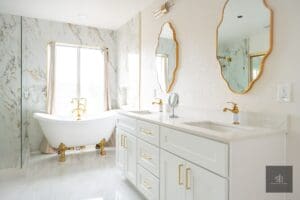
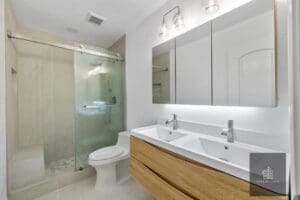
In a dining room, a mirror behind a sideboard or buffet can reflect your candlelight or pendant lamp, creating a warmer, more ambient glow. In a bathroom remodeling project, mirrors with integrated lighting or placed beside sconces eliminate shadows and make the whole space feel like a serene, well-lit spa.
To Highlight a View (or Create One)
If you’re lucky enough to have a great view from a window, position a mirror so it reflects that slice of greenery or cityscape from another angle in the room. No view? Create an interesting one. Place a mirror to reflect a beautiful piece of art, a vibrant bookshelf, or your lovely fireplace. It draws the eye and gives the room a focal point.
Choosing the Right Mirror for the Job
Not all mirrors are created equal. The frame, shape, and size play a huge role in the final effect. It’s not just about finding your nearest big-box store’s mirror aisle.
- Large, Frameless Mirrors: These are the space-maximizing champions. A floor-to-ceiling or wall-to-wall mirror (often called a “plique-à-jour” or mirror tile installation) can make a room feel enormous. We often suggest this for basement contractors working on a home gym or a playroom to absolutely vanish the walls.
- Statement Mirrors with Frames: A mirror with a bold, beautiful frame acts as both a functional piece and art. Use these as a focal point in a living room or bedroom. A sunburst or ornate gilt frame adds a touch of luxury.
- Multiple Mirrors in a Group: A gallery wall of smaller, variably shaped mirrors adds incredible depth and dynamism. It’s less formal than one giant mirror and packs a serious visual punch.
- Mirrored Furniture and Surfaces: Don’t forget about mirrored console tables, cabinet fronts, or even tiles. In a kitchen remodeling project, a mirrored backsplash behind open shelving can be breathtaking (if you’re brave enough to keep it clean, that is!).
Here’s a quick cheat sheet to help you decide:
| Mirror Type | Best For… | Pro Tip |
|---|---|---|
| Large Wall Mirror | Small living rooms, bedrooms, narrow hallways. Creating major spatial illusion. | Go as big as you can. Anchor it securely, especially in earthquake-conscious areas like the Bay Area. |
| Ornate Statement Mirror | Formal dining rooms, entries, above mantels. Adding a luxury focal point. | Ensure the style complements your room’s decor. Don’t let it clash. |
| Mirror Grouping | Stairwells, large blank walls, adding eclectic interest. | Lay out the arrangement on the floor first. Mix shapes but keep a cohesive element (like frame color). |
| Leaning Floor Mirror | Corners of rooms, behind furniture, adding a casual, decorative touch. | Perfect for rented spaces or if you’re wary of drilling. Adds height and draws the eye upward. |
| Mirrored Furniture | Tight spaces, adding light in dark corners, glam accents. | A little goes a long way. One piece per room is usually enough to avoid a funhouse feel. |
Mirrors in Major Renovations: Thinking Bigger
Sometimes, using mirrors isn’t just an accessory choice—it can be integrated into the very design of a whole house remodeling project. This is where working with an expert home improvement team like ours at EA Home Builders really pays off.
For example, in a home addition contractor project, we might design a pass-through or interior window with mirrored panels between a dark kitchen and a new sunroom, borrowing light from one space to the other. In a custom remodel, we could design a sleek, mirrored accent wall that also conceals storage or a media center. For a bathroom renovation contractor, the choice between one large mirror or his-and-hers mirrors, the inclusion of medicine cabinets with mirrored fronts, and the placement relative to shower glass are all critical decisions that affect both light and the perception of space.
Thinking about cost? While mirrors themselves can range from budget-friendly to high-end, integrating them into a build requires precision. A trusted remodeling company will ensure they are safely and securely installed, especially large pieces. It’s an investment in the feeling of your home, not just an object on the wall.
A Few Cautions (Or, How to Avoid the Funhouse Effect)
We love mirrors, but we’re not trying to build a carnival attraction. A few things to keep in mind:
- Reflect the Good, Not the Bad: Be mindful of what your mirror will show. Positioning one to reflect a cluttered countertop or an unsightly HVAC unit kind of defeats the purpose, right?
- Balance is Key: In a room with lots of other shiny surfaces (glass tables, metallic finishes), add mirrors sparingly. You want to enhance light, not create blinding glare.
- Quality Matters: A cheap mirror with a greenish tint or warped glass will make everything (and everyone) look a bit off. Invest in good quality glass for key pieces.
Your Mirror Questions, Answered
We hear a lot of the same great questions from clients in Walnut Creek, Danville, and Oakland when we suggest mirrors. Here are the big three.
1. “Won’t a huge mirror make my room feel cold or impersonal?”
Not if you balance it! A large mirror becomes a canvas for the room. It reflects the warmth of your wood floors, the texture of your textiles, and the glow of your lighting. The mirror itself doesn’t set the tone; it amplifies the tone you’ve already created. Pair it with warm metals, wood tones, and soft fabrics.
2. “How do I clean large mirrors without streaks?”
This is the eternal struggle. Our go-to method is a simple solution of distilled white vinegar and water (50/50 mix) in a spray bottle, wiped with a microfiber cloth. For the general contractor’s secret? A squeegee after the microfiber cloth. It’s what the pros use on windows and shower glass, and it works miracles on mirrors.
3. “Is it safe to hang a heavy mirror, especially in an earthquake zone?”
Absolutely critical point. Always use the proper hardware for your wall type (drywall, plaster, masonry) and the mirror’s weight. For anything substantial, find the studs and anchor directly into them. For truly large, heavy pieces, this is where consulting a pro is wise. Safety first! Any reputable home renovation contractor in the Bay Area will take seismic safety seriously.
Let’s Reflect on Your Space
So there you have it. Mirrors aren’t just decorative afterthoughts; they’re powerful design tools that manipulate light and space in ways that few other elements can. They can be the simple weekend upgrade that refreshes a room or an integral part of a major home remodeling plan.
If you’re dreaming of a brighter, more open-feeling home but aren’t sure where to start—whether it’s with a mirror or a more extensive custom remodel—that’s what we’re here for. At EA Home Builders in Contra Costa County, we love helping our neighbors see the potential in their homes. Sometimes, the first step is literally showing it to them in a new light.
Why not take a look around your home today? Find that dark corner or that narrow wall and imagine what a well-placed mirror could do. And if you’re ready to think bigger, we’re just a call away. After all, the best reviews we get are from clients who finally feel like their home is as spacious and bright as they always knew it could be