So, Your House Has a Split Personality? Let’s Fix That.
Ever walked from a gorgeous new kitchen into a… well, let’s call it a “vintage” living room and felt a little jarring shift in the universe? Like you’ve stepped through a time warp instead of a doorway? You’re not alone. We’ve seen it all in our years of home remodeling here in the Bay Area—the stunning modern kitchen remodeling project that awkwardly butts up against a hallway stuck in the 1980s. It’s the number one thing that can make a custom remodel feel, ironically, not so custom.
That’s what we’re here to chat about today: the art of the seamless transition. It’s the magic trick of whole house remodeling and thoughtful additions that makes spaces feel like they’ve always belonged together. It’s not just about matching floorboards (though that’s part of it); it’s about storytelling. How do we make the old and new chapters of your home read like one beautiful novel? Grab a coffee, and let’s get into it. As your friendly neighborhood remodeling company in Contra Costa County, EA Home Builders, we live for solving this exact puzzle.
Why Bother With “Seamless” Anyway?
Think about your favorite movies. The best edits are the ones you don’t notice; they just carry you effortlessly to the next scene. A home should work the same way. A disjointed transition isn’t just an eyesore—it can actually make your new space feel smaller, cheaper, and frankly, a bit confusing. It whispers, “This was an add-on,” instead of shouting, “This is your forever home!”
We learned this lesson early on. One of our first major home addition contractor projects in Danville taught us that a beautiful new family room will fail if the entrance from the original house feels like a backstage door. The goal is harmony. We want guests (and you!) to experience flow, not friction. This philosophy is core to our work, whether it’s a luxury home renovation or a practical basement remodel. The principle remains the same.
The Blueprint for Blending: It Starts With a Plan
You can’t wing a seamless transition. It requires a strategy from the very first blueprint. This is where working with an expert home improvement team like ours pays dividends. We don’t just look at the new square footage; we obsess over the connections.
Here’s what we’re always thinking about in the planning phase:
- Sight Lines: What do you see when you stand at the threshold? We aim to create visual continuity that pulls your eye through the home.
- Traffic Patterns: How will people naturally move between spaces? We want to guide that flow, not block it.
- Architectural Echoes: This is the big one. How can we reference the original home’s character in the new space?
Jumping into a bathroom remodeling or kitchen remodeling project without this big-picture view is how you get those jarring moments. A quick search for a “home renovation contractor near me” might get you someone to install cabinets, but creating cohesion requires a general contractor who thinks like an architect and an artist.
The Secret Weapons for a Perfect Transition
Alright, let’s get into the nitty-gritty. How do we actually do it? Here are our go-to methods for stitching spaces together.
Master the Architectural Elements
This is about respecting the bones of your existing home. It’s not about creating a museum replica, but about having a respectful conversation between eras.
Doorways and Openings Are Your Best Friends
A clunky, narrow doorway is a hard stop. We often widen openings or use cased openings (doorways without doors) to create a gentle, inviting passage. For a more dramatic connection, we might use a custom remodel technique like installing matching archways or squaring off an existing arched opening to match a modern aesthetic. The key is intentionality.
The Magic of Molding and Trim
Trim work is the jewelry of a home. If your original house has robust, 5-inch baseboards, slapping in skinny, modern trim in the new addition is a crime. We source or recreate matching profiles. The same goes for crown molding, window casings, and door casings. This single step does more to create unity than almost any other.
Let There Be (Consistent) Light
Lighting style and placement are huge. If you have classic recessed cans in the old space, continuing that pattern into the new space creates rhythm. We also look at natural light. Adding new windows? We consider the size, shape, and sill height of your existing ones to make the new ones feel like they’ve always been there.
Flooring: The Great Unifier (or Divider)
Get this wrong, and the transition is dead on arrival. Get it right, and you’ve won half the battle.
The goal is to either continue the same material or create a deliberate, beautiful change. Abruptly switching from dark hardwood to light tile for no reason is a classic misstep. Sometimes, continuing the exact same hardwood is the perfect solution. Other times, we use a transition threshold as a design moment—like a band of decorative tile between a kitchen and dining room. The decision depends on the function of the spaces and your design vision. FYI, this is a huge topic in basement contractor work, where meeting existing upstairs flooring is a constant, fun challenge.
To help visualize the options, here’s a quick breakdown:
| Transition Method | Best For | Pro Tip |
|---|---|---|
| Continuous Material | Open-plan spaces, whole house remodels. Creates maximum flow and spaciousness. | Ensure you have enough of the original material or a perfect match. Sometimes, refinishing all floors is the cost-effective choice. |
| Strategic Threshold | Defining zones (e.g., kitchen to living room). Adds a decorative element. | Use a material that complements both sides. A metal strip between wood and tile can look sleek and intentional. |
| Level Change | Luxury home renovations where drama is desired. Sunken living rooms, raised dining areas. | Must be accompanied with proper lighting and railing for safety. It’s a commitment, but oh-so-cool when done right. |
The Design Flow: Color, Texture, and “Feel”
Once the architecture and floors are talking to each other, we layer in the decor to make them sing in harmony.
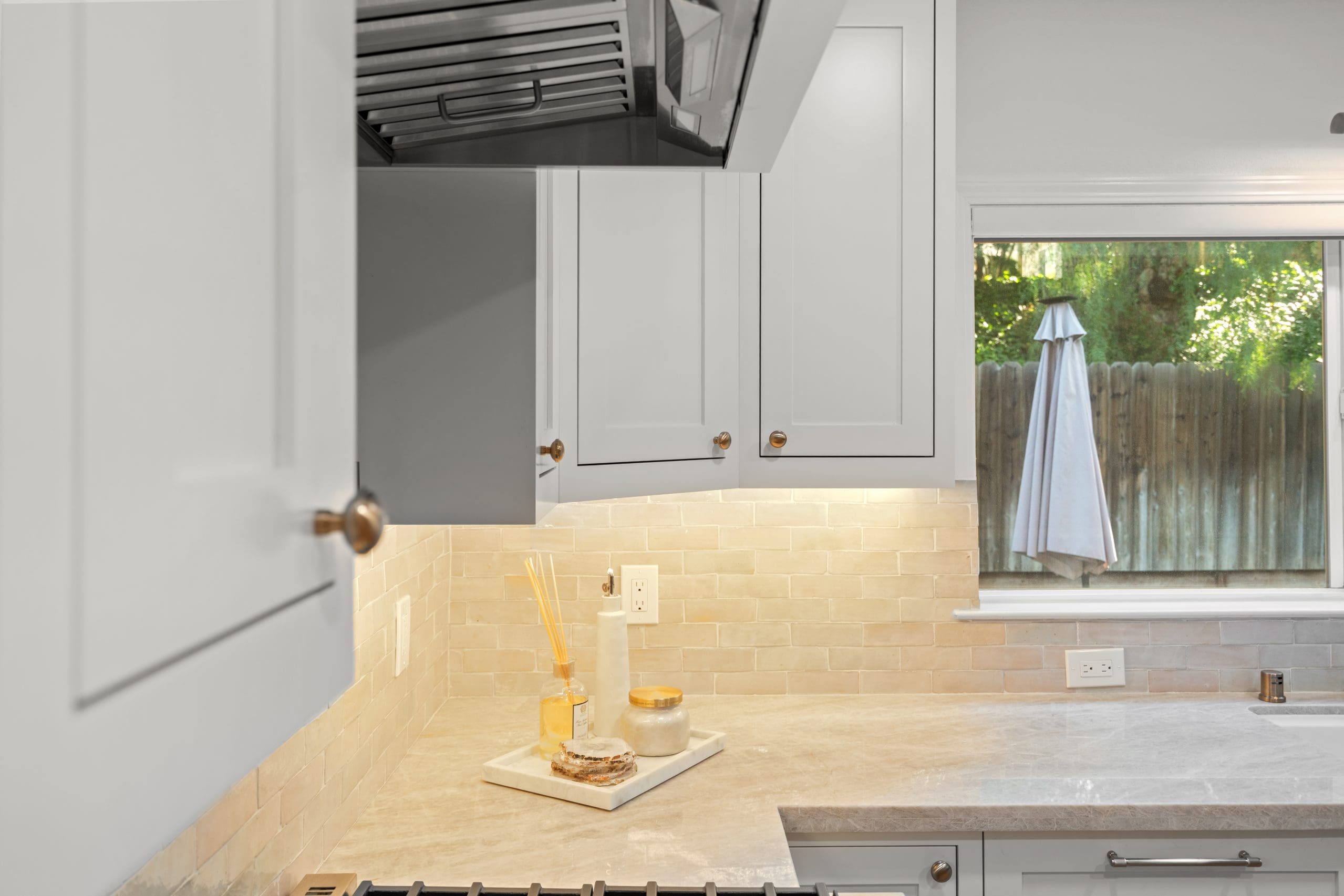
We develop a unified color palette that flows from old to new. An accent wall in the original living room might inspire the cabinet color in the new kitchen. We also play with texture—if the old space has lots of original brick or shiplap, we might introduce a similar textural element in the new space through a feature wall or a modern material with a similar vibe.
The furniture and decor should feel curated, not collected one room at a time. This doesn’t mean everything must match, but pieces should feel like they belong in the same home’s story. It’s the difference between a home and a series of disconnected boxes.
Tackling the Tricky Spaces: Basements & Bathrooms
Some spaces are transition champions in their own right.
- For a Basement Remodel Contractor: The goal is to make the basement feel like a natural extension of the home, not a dungeon. We focus heavily on ceiling height, warm lighting, and connecting to the upstairs palette. The staircase down is the main transition—we make it welcoming, well-lit, and finished with the same care as the main level.
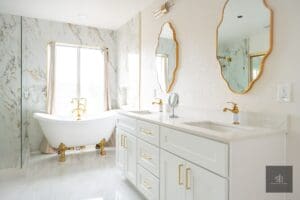
- For a Bathroom Renovation Contractor: Bathrooms can be their own microcosms, but they shouldn’t feel alien. We might pull a paint color from an adjacent bedroom or use a hardware finish that appears elsewhere in the home. It’s about subtle nods, not overwhelming themes.
Your Top Transition Questions, Answered
Let’s pause and tackle a few questions we hear all the time from folks in Walnut Creek, Oakland, and beyond.
1. “Won’t matching everything make my new addition look dated?”
Great question! The goal isn’t to copy styles slavishly, but to match scale and quality. We can install trim that’s the same substantial proportions as your old Craftsman trim but with a cleaner, contemporary profile. It’s an homage, not a replica. This keeps the space feeling fresh but connected.
2. “Is a seamless transition going to blow my budget?”
It doesn’t have to. Smart planning actually saves money by avoiding corrective work later. IMO, the biggest budget-buster is not planning for transitions and having to retrofit solutions. We’re upfront about price considerations and always find creative ways to achieve the look within your framework. Thoughtful choices, like focusing on key architectural elements, give you the biggest bang for your buck.
3. “My house is a total mix of styles already. Where do I even start?”
Welcome to the club! Many Bay Area homes are beautiful patchworks. Start by identifying what you love about the original house. Is it the light, the moldings, the coziness? Use that as your inspiration anchor. Sometimes, unifying with paint and flooring is the first step before any major home remodeling begins. This is where an experienced general contractor can be a huge help in diagnosing the best path forward.
Bringing It All Home in Contra Costa County
Creating a seamless transition is the hallmark of truly expert home improvement. It’s what separates a house with a new room from a home that feels whole, intentional, and wonderfully livable. It requires a blend of technical skill, artistic vision, and a deep respect for the original structure.
This is the kind of challenge we at EA Home Builders absolutely love. Whether you’re in Danville dreaming of a kitchen remodeling project that flows into your garden room, or in Walnut Creek needing a home addition contractor to blend a second-story expansion, we live for this stuff. We’re your nearest experts in making the old and new get along beautifully.
So, if you’re tired of your home’s split personality and ready for a cohesive, flowing space, let’s have a conversation. Check out our reviews from your nearby neighbors, and then give us a call. Let’s make your home’s next chapter its best one yet.