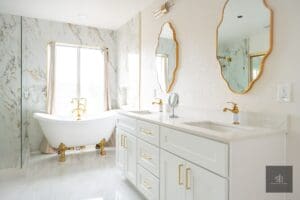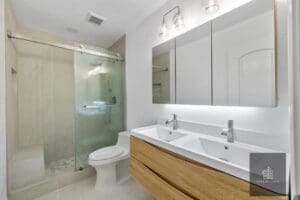
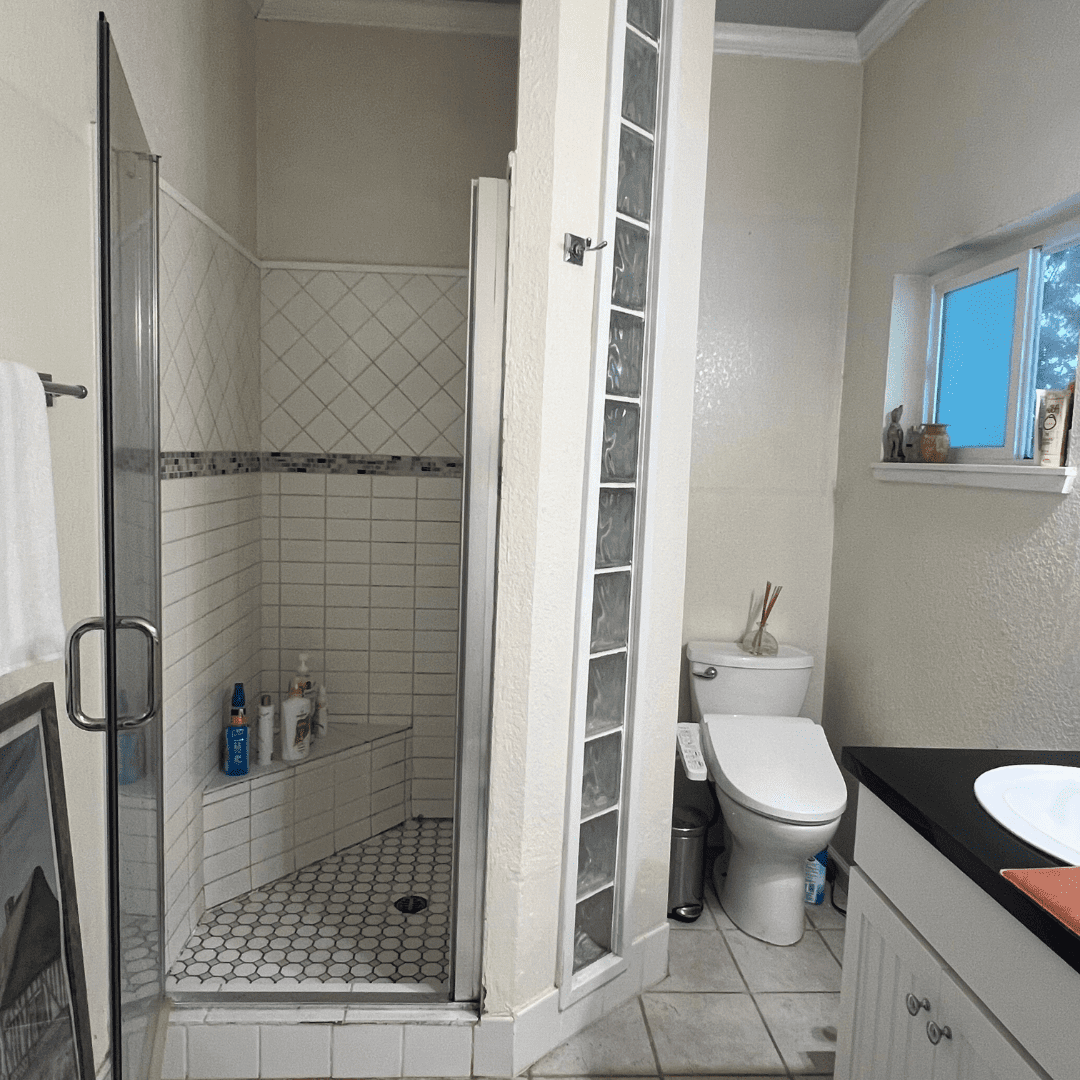
Alright, let’s get into it. So, you’re staring at your Bay Area bathroom, maybe the one in your Oakland bungalow or your Danville family home, and you’re dreaming of a change. The walls are talking to you, and they’re saying, “For the love of all that is holy, update these tiles from 1987!” But then you hit the first major fork in the road: what size tile do you even choose? The options are endless, and a wrong pick can make your space feel… off. Don’t worry, we’ve been there with countless clients. Let’s talk this out, friend-to-friend, and figure out how to choose the right tile size for your bathroom without losing your mind.
Why Tile Size Isn’t Just an Aesthetic Choice (It’s a Space-Altering Superpower)
Think of tile size like the glasses prescription for your room. The right one makes everything clear, spacious, and intentional. The wrong one gives you a headache and makes the room feel clumsy. It’s not just about what looks pretty in the showroom; it’s about how the tile interacts with your specific bathroom’s dimensions, light, and layout.
We’ve seen small mosaic sheets that made a cramped San Francisco powder room feel like a jewel box, and we’ve installed massive-format slabs that turned a master bathroom in Walnut Creek into a serene, spa-like retreat. The “best” size doesn’t exist in a vacuum. It depends entirely on your goals. Are you trying to trick the eye into seeing more space? Create a bold, dramatic feature? Or just achieve a timeless, clean look that’ll last through the next few design trends? This is where the fun begins.
The Great Debate: Small Tiles vs. Large Tiles
Let’s break down the two camps. Each has its passionate defenders (and we’ve installed enough of both to see all the angles).
The Case for Smaller Tiles (Mosaics & 4x4s)
Small tiles, think anything from penny rounds to classic 3×6 subway tiles, have a ton of charm and practicality.
- They add texture and interest: A field of small tiles has more grout lines, which creates a tactile, detailed surface. This can be perfect for adding character to a bathroom that might lack architectural details.
- They’re grippy heroes: This is a big one, especially for shower floors. Smaller tiles mean more grout lines, which means more natural slip resistance. It’s a safety and practicality win.
- They’re layout magicians: Because they’re often sold in mesh-backed sheets, they can easily follow curves, like a shower niche or a freeform tub deck. Trying that with a large-format tile is… let’s just say, a custom cutting nightmare.
- The scale trick: In a very small bathroom, a small tile can actually make the room feel larger by providing a sense of scale and detail. But, and this is a big but, using them everywhere can sometimes feel busy.
The Allure of Large-Format Tiles (12×24 and Beyond)
Large-format tiles (12×24, 24×24, and the behemoth slab-look porcelain) are the darlings of modern bathroom remodeling for good reason.
- The seamless, spacious look: Fewer grout lines create a clean, uninterrupted visual flow. This can make walls recede and floors feel expansive. It’s our go-to trick for making standard Bay Area bathrooms feel more luxurious.
- Low maintenance: Less grout means less to clean. It’s simple math that every homeowner appreciates after the novelty of cleaning wears off (which is approximately two weeks after move-in).
- A modern, high-end vibe: Large tiles scream contemporary elegance. They can mimic the look of natural stone slabs without the same cost or maintenance, which is a huge win for luxury home renovations on a sensible budget.
So, which team are you on? IMO, there’s no single right answer. But to make it easier, here’s a quick cheat sheet.
| Tile Size | Best For… | Watch Out For… | Pro-Tip from Us |
|---|---|---|---|
| Small Mosaics (1×1, 2×2, etc.) |
Shower floors (for grip), accent walls, backsplashes, adding vintage charm. | Can feel busy on large walls; requires more grout maintenance. | Use as a strategic accent rather than the main event to avoid overwhelming the space. |
| Classic Sizes (4×4, 3×6, 6×6) |
Timeless, budget-friendly looks; walls and floors in smaller baths. | Can look dated if not chosen carefully. | A beveled subway tile in a unique pattern (like herringbone) instantly updates the classic. |
| Medium-Format (12×12, 12×24) |
The ultimate workhorses. Great for floors and walls in most bathrooms. | 12×24 floor tiles must be installed on a perfectly level subfloor. | 12×24 tiles installed in a vertical stack on a shower wall can make the ceiling feel higher. |
| Large-Format (24×48, slab looks) |
Creating a minimalist, spa-like atmosphere; making small rooms feel larger. | Installation is critical and requires a true expert home improvement pro to avoid lippage. | This is where hiring a seasoned general contractor really pays off. DIY here is a recipe for expensive tears. |
Measuring Up: How Your Bathroom’s Actual Dimensions Should Guide You
Here’s where we get practical. Grab a tape measure. The golden rule? The tile size should complement the room size, not fight it. It’s like choosing a pattern for a dress – you scale it to the person.
- For the Cozy Powder Room: You have maybe 5×7 feet to work with. Large tiles (like 24×24) on the floor can actually look fantastic—they’ll create a sense of fewer breaks and more space. Or, you can go full charm with a small hexagonal mosaic. The key is consistency; don’t chop up the visual field with three different tile sizes.
- For the Standard Hall Bath: This is the bread and butter of Bay Area homes. Medium-format tiles are your safest, most beautiful bet. A 12×24 tile on the floor running the length of the room can visually elongate it. You can have fun with an accent wall in the shower.
- For the Sprawling Master Suite: You have room to play. This is where you can consider those stunning large-format slabs on the walls for a wet-room feel. Or, you can create zones: larger tiles for the main floor, a different texture or size for the shower base, maybe a matte finish for the walls. The world is your oyster.
Ever wondered why some bathrooms just feel “right”? Nine times out of ten, the tile size is in harmony with the room’s proportions. It’s a subtle thing you notice with your gut, not your eyes.
Grout: The Unsung Hero (or Villain)
We can’t talk tile size without talking about its partner in crime: grout. The size of your tile dictates the amount and impact of your grout lines.
- Small tiles = prominent grout lines. Your grout color here is a major design decision. Match it to the tile for a uniform look, or contrast it to highlight the pattern (dark grout with white subway tile is a classic for a reason—it’s practical and sharp).
- Large tiles = minimal grout lines. Here, you usually want to match the grout color to the tile as closely as possible to enhance that seamless, slab-like illusion. A contrasting grout on a 24×48 tile wall would look… well, like a giant grid. Not the vibe we’re usually going for.
FYI: Epoxy or urethane grout is a game-changer, especially in wet areas. It resists staining and mildew way better than traditional cement grout. It costs more and is trickier to install, but for a bathroom renovation contractor like us, it’s often a no-brainer recommendation for long-term happiness.
Let’s Get Real: Budget, Installation, and the “Near Me” Search
Alright, let’s talk brass tacks. Your tile choice directly impacts your price and the complexity of the project.
- Installation Cost: This might be counterintuitive, but larger tiles can often cost more to install. Why? They require a perfectly flat substrate, specialized leveling systems, and a ton of skill to install without lippage (that uneven edge that catches your toe). A true pro is non-negotiable.
- Material Waste: Larger tiles also generate more waste when cutting around fixtures, drains, and corners. When we at EA Home Builders in Contra Costa County do our estimates for a whole house remodeling project or even a single bathroom remodeling job, we factor this in. Buying 15% extra for cuts is standard for small tiles, but for large-format, it might creep toward 20%.
- Finding the Right Help: This is perhaps the most important step. A search for “bathroom remodeling near me” or “general contractor reviews” will give you a list. But you need to dig deeper. Look for a remodeling company with specific, photographed experience in the type of tile install you want. Don’t hire a basement contractor to do your luxury bathroom tilework (unless they also specialize in it!). The skill sets, while related, are different.
When you’re looking for the nearest or closest expert, prioritize expertise over proximity. It’s worth driving a bit further to Walnut Creek or having a team from nearby Danville come to your Oakland home if they have the portfolio to back it up. Check those reviews, but look for details about tile work specifically.
Your Questions, Answered (No Fluff, We Promise)
1. “Can I use the same tile on the floor and walls?”
Absolutely! It’s a fantastic way to create a cohesive, expansive look. But, ensure the tile has a slip-resistant rating (called COF) for wet floor areas. A polished marble that’s gorgeous on the wall could be a skating rink on the floor. Your bathroom renovation contractor should guide you on this.
2. “What’s the biggest mistake people make when choosing tile size?”
Ignoring the room’s size and the installation reality. Falling in love with a huge tile for a tiny, uneven bathroom is a path to disappointment and extra cost. The second biggest mistake? Not getting a professional to install it. Tile is one area where DIY often looks… very DIY. This is the foundation of your new space—literally and visually.
3. “How does this decision fit into a larger project, like a kitchen remodeling or home addition?”
Great question! If you’re planning a kitchen remodeling now and know a bathroom remodeling is next, or you’re working with a home addition contractor, think about flow. Your home’s style should have a through-line. That doesn’t mean every tile must match, but the scale and feeling should be harmonious. At EA Home Builders, we love helping folks in the Bay Area with custom remodels that think about the home as a whole, ensuring your new bathroom doesn’t feel like it landed from a different planet.
Wrapping It Up: Your Sanity-Saving Plan of Action
So, where do you start?
- Measure your space. Be honest about its proportions.
- Define your goal. Spa retreat? Vintage charm? Kid-friendly durability?
- Visit showrooms with samples. Take them home! See them in your light, at different times of day. Place a large tile on the floor and live with it for a day.
- Talk to a pro early. Seriously. Before you buy a single tile, have a conversation with a remodeling company you trust. A good home renovation contractor won’t just take your order; they’ll be a sounding board and guide you away from costly mistakes.
Choosing tile is a big decision, but it shouldn’t be a scary one. It’s a chance to inject your personality into a space you use every single day. Whether you’re in the bustling heart of Oakland or the quieter streets of Danville, the right tile can transform your daily routine.
And hey, if this all feels like a bit much to navigate alone, that’s what we’re here for. At EA Home Builders, we eat, sleep, and breathe this stuff. From basement remodels to luxury home renovations, we help Bay Area homeowners make these decisions with confidence, blending your vision with our on-the-ground experience. Because a bathroom should feel right from the first coffee-fueled morning glance to the last relaxing soak at night. Let’s build something you’ll love.