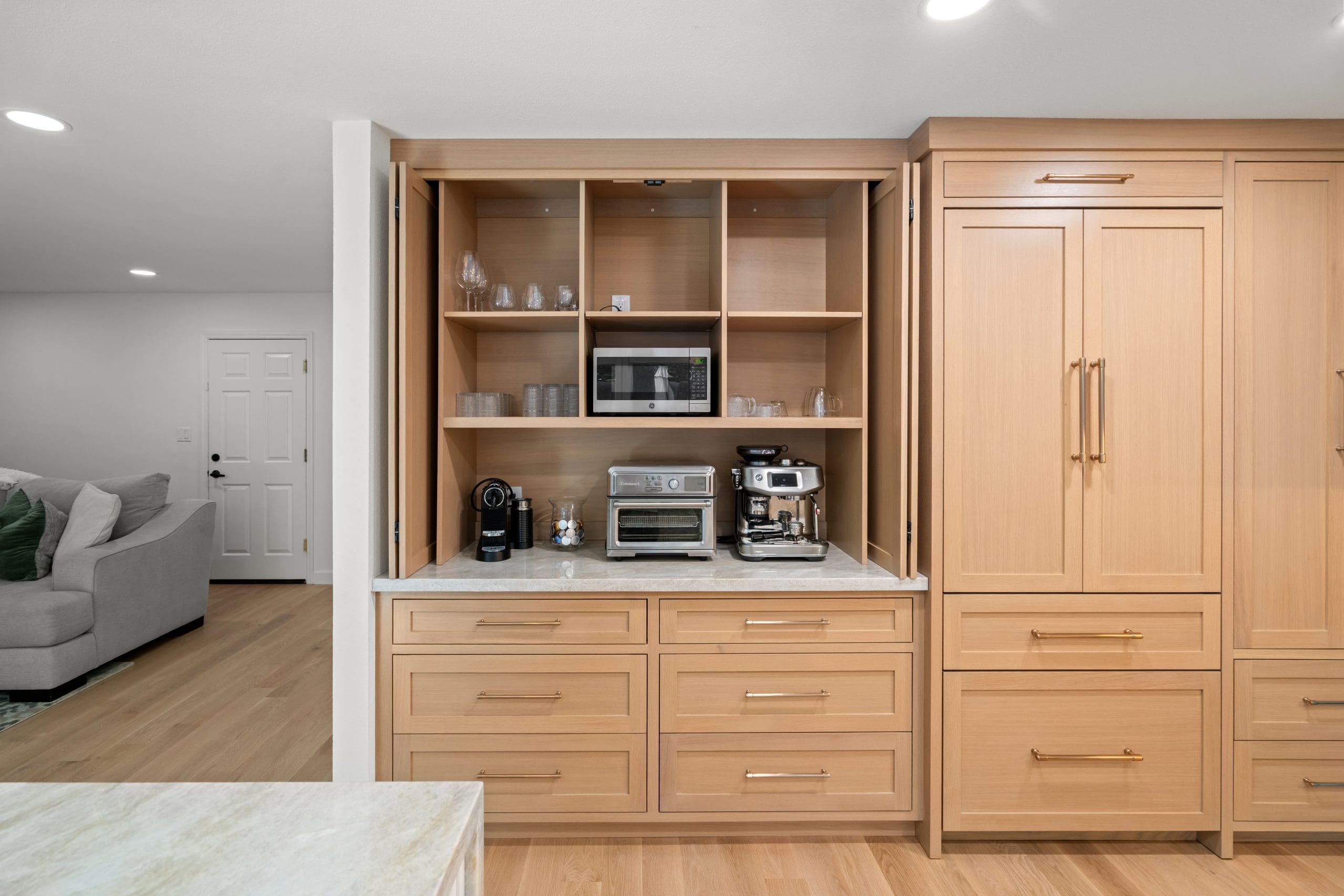
Alright, let’s have a real talk about one of our favorite design challenges: making the inside of your home feel like a natural extension of the outside. Ever feel your home has a split personality? You know, the cozy, contained living room versus the wild, free backyard? We’re here to help you broker a peace treaty between those two spaces. Blending indoor and outdoor materials isn’t just a fancy design trend; it’s about creating a seamless flow that expands your living area, boosts your mood, and honestly, just looks incredibly cool. At EA Home Builders here in Contra Costa County, we live for this stuff. It’s the heart of what makes a custom remodel feel truly special and connected to its environment.
Think about it. Why do we feel so relaxed in a well-designed space? Often, it’s because it connects us to nature. Our goal today is to give you the lowdown on how to pull this off without it looking like you tried too hard. Because nobody wants a home that screams, “I followed a trend from 2015!” We want timeless. We want unified. We want you to love every single square foot, inside and out.
Why This Blend is a Game-Changer for Your Home
Before we start picking out tiles and wood stains, let’s chat about the why. This isn’t just an aesthetic choice. When you thoughtfully blend materials, you’re actually doing a few brilliant things:
- You Visually Expand Your Space: Using the same or similar flooring from your great room out to your patio tricks the eye. Suddenly, your perception of square footage grows. It’s like a magic trick for your property value.
- You Create a Cohesive Story: Your home should tell one beautiful story, not have a bunch of unrelated chapters. A unified material palette ties everything together, making your design feel intentional and sophisticated.
- You Enhance Daily Living: That effortless flow is perfect for entertaining (no more “inside people” and “outside people”) and for everyday life. It makes your entire property feel more usable and inviting.
So, how do we start writing this unified story? Let’s break it down.
The Golden Rule: It’s All About the Transition
The most critical part of this entire process is the transition zone—the doors, the thresholds, the points where “in” becomes “out.” A clunky transition can ruin the whole effect. Our mission is to make that line as blurry as possible.
Large-Scale Doors Are Your Best Friend
Forget the standard sliding door. We’re talking floor-to-ceiling telescoping doors, multi-panel bi-folds, or even a grand pivot door. These systems essentially make an entire wall disappear, which is the ultimate first step in blending your spaces. When the barrier is gone, the materials on either side can finally have a proper conversation.
Mind the Threshold
The little strip under the door matters—a lot. We aim for a flush, minimal threshold. Sometimes, with the right materials and slope, you can even achieve a completely level transition. This isn’t just about looks; it’s about safety and that smooth, uninterrupted roll from your kitchen remodeling area to the outdoor BBQ station.
Choosing Your Materials: The Dream Team Lineup
This is where the fun begins. Picking materials that can play well both inside and out. Here’s a cheat sheet of our go-to teams.
Flooring: The Foundation of Flow
Your floors do the heavy lifting in creating continuity.
- Porcelain Tile: The undisputed MVP. Modern porcelain slabs can mimic wood, concrete, and stone so convincingly you’ll have to touch them to believe it. It’s durable, frost-proof (crucial for our Bay Area nights), and easy to clean. Running a large-format wood-look porcelain from your living room straight out to the covered patio? Chef’s kiss.
- Polished Concrete: Industrial, sleek, and incredibly versatile. You can pour it inside, stain it, polish it, and use similar pavers or stamped concrete outside. It gives a cool, modern loft vibe that works beautifully in luxury home renovations.
- Natural Stone: Bluestone, limestone, slate—these materials are born of the earth, so they belong everywhere. The key is using the same stone, or very similar, on both sides of the glass. Keep in mind, some stones are porous and need sealing, especially in a bathroom remodeling project or outdoors.
A Quick Comparison of Flooring Champions
| Material | Best For Style | Indoor-Outdoor Durability | Maintenance Level | Notes |
| :— | :— | :— | :— | :— |
| Porcelain Tile | Modern, Farmhouse, Transitional | Excellent | Low | Endless designs, can feel cold underfoot. |
| Polished Concrete | Industrial, Minimalist, Modern | Excellent | Medium | Can be hard on dropped dishes, but oh-so-chic. |
| Natural Stone | Organic, Rustic, Mediterranean | Good to Excellent | Medium-High | Unique variation, requires periodic sealing. |
Bringing the Outside In (And Vice Versa)
Floors are just the start. Let’s talk walls, ceilings, and accents.
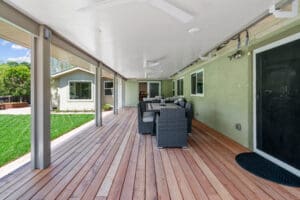
- Wood & Wood-Look Accents: Real wood outside needs to be durable (think Ipe or Cedar), but you can bring that same warmth inside on a feature wall, ceiling beams, or cabinetry. Or, use that trusty wood-look porcelain/tile everywhere for zero worry.
- Stone Feature Walls: An interior accent wall of stacked stone or veneer that echoes the stone on your exterior fireplace or foundation? That’s a power move. It grounds the room and creates an incredible focal point.
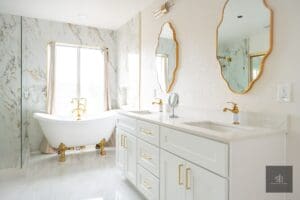
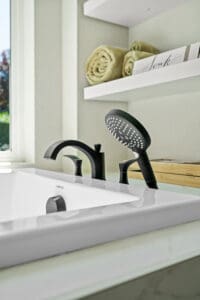
- Metals: Black matte steel window frames inside that match the exterior railings on your deck. Brass faucet finishes that pick up on outdoor sconces. These subtle touches are what expert home improvement is all about—the details that whisper, not shout.
Working With Your Space & Our Climate
Here’s the part where we get real about execution. You can’t just pick pretty things from a catalog. You have to think like a general contractor.
Sun, Rain, and Microclimates
We’re lucky in the Bay Area, but we’re not without our quirks. The sun in Danville can be brutal on certain materials, while the fog in Oakland brings its own moisture challenges. A material that works for a sunny Walnut Creek backyard might not be the best for a shaded basement remodel walk-out. This is where a local remodeling company with experience really earns its keep. We know which materials stand up to our specific conditions, saving you from a costly “oops” down the line.
The Level of Your Project
Your approach changes depending on the scale.
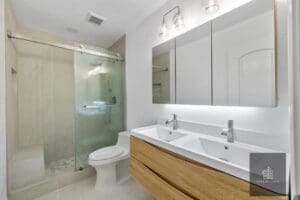
- Focused Update: Just redoing your bathroom renovation? You can still create a spa-like feel by using a weather-resistant tile in a shower that opens to a private courtyard.
- Whole House Remodeling: This is the big leagues. Here, you have the perfect canvas to design a fully integrated material story from the ground up. It’s a bigger investment, but the payoff in cohesion is unmatched.
- Home Addition Contractor Projects: Adding new space? You have a blank slate! This is the golden opportunity to design the addition with seamless indoor-outdoor flow as a core principle from day one.
Budgeting for the Blend: Let’s Talk Numbers
We have to address the elephant in the room: cost. “What’s the price?” is the most common question we get, and it’s a fair one. IMO, blending materials isn’t necessarily about spending more on fancier things; it’s about strategic spending.
- Investment vs. Expense: Large-format porcelain tiles might have a higher material cost than carpet, but their durability and timeless appeal offer a much better return, both in daily joy and home value.
- The Value of a Single Source: Working with a home renovation contractor like us who handles both the indoor and outdoor scopes can actually create efficiencies. We’re not just your basement contractors or your deck builders; we’re your single point of contact, which can streamline schedules, material ordering, and ultimately, protect your budget.
- Phasing Your Project: If a whole house remodeling project isn’t in the cards right now, plan for the future. Maybe we install the doors and indoor flooring now, with a clear plan for continuing that floor onto the patio next year. A good general contractor will help you plan a roadmap.
Finding Your Team: Don’t Just Google “Near Me”
A quick PSA: When you search for “home remodeling near me” or “nearest basement remodel contractor,” you’ll get a list. But this type of project needs more than just the closest option. You need a team that gets the vision.
Look for reviews that specifically mention seamless flow, outdoor living, or material continuity. Check portfolios for projects that show both interior and exterior shots. And please, have a conversation. You want a team that’s as excited about this concept as you are. FYI, at EA Home Builders, this integrated approach is in our DNA. We love sitting down with homeowners in Contra Costa County to puzzle out how to make their indoor and outdoor spaces best friends.
Your Questions, Answered
1. Won’t using the same materials inside and out be boring?
Not at all! Unity doesn’t mean uniformity. Think of your core materials (like your flooring) as the neutral base of an outfit. You add personality and variety through area rugs (that you can take outside!), wildly different furniture styles, textiles, art, and landscaping. The consistent base is what allows you to play more creatively without the space feeling chaotic.
2. Is this only for modern homes?
Absolutely not! While it’s a staple of modern design, the principle works for any style. A rustic home might use wide-plank oak flooring inside and a complementary decking outside. A traditional home could use classic bluestone on both the interior sunroom floor and the exterior patio. The trick is matching the material’s character to your home’s architectural style.
3. How do I start if I’m overwhelmed?
Start with one connection. Pick the room with the best access to the outdoors (often the kitchen or main living area). Choose one material—maybe it’s the countertop that matches an outdoor bar, or the ceiling material that extends over a porch. Master that one connection first. It’s easier to build on a single great idea than to try to perfectly orchestrate everything at once.
So, there you have it. Blending indoor and outdoor materials is less about a strict rulebook and more about a mindset: looking at your entire property as one holistic living space. It requires planning, the right material choices, and a team that understands the vision from the ground up. It’s what transforms a standard home remodeling project into something that feels truly custom and connected.
If you’re in the Bay Area and dreaming about a home without borders, let’s chat. At EA Home Builders, we love turning these blended dreams into a stunning, livable reality. Your unified oasis is waiting 🙂