Let’s be honest with each other for a second. How many of us have stood in our yards during a dry spell, staring at our struggling lawn, and thought, “There has to be a better way”? Watering feels like pouring money—and a precious resource—straight into the ground, only to be rewarded with patches of brown and a guilty conscience.
Well, friend, there is a better way. Here in Golden Bay and across the Bay Area, we’re getting smarter about our outdoor spaces. We’re moving beyond the thirsty, high-maintenance traditional lawn and embracing stunning, drought-resistant alternatives. And the best part? This isn’t about sacrificing beauty; it’s about upgrading it. As a team at EA Home Builders in Contra Costa County, we see this shift firsthand. We might be known for our kitchen remodeling and luxury home renovations, but a truly cohesive home remodeling project considers the entire property, inside and out. A beautiful, water-wise yard is the ultimate curb appeal upgrade.
So, grab a coffee, and let’s chat about transforming your yard from a water-guzzler into a resilient, gorgeous oasis. We’ll explore some fantastic options that thrive in our climate with a fraction of the water.
Why Bother Ditching the Lawn?
Before we dive into the pretty stuff, let’s quickly tackle the “why.” Sure, a green carpet looks nice, but at what cost? Beyond the monthly water bill, traditional turf requires constant feeding, mowing, and aerating. It’s a part-time job nobody signed up for! In our drought-prone region, replacing lawn is one of the most impactful expert home improvement choices you can make. It increases your property’s resilience, slashes maintenance, and creates a unique landscape full of texture and life. Think of it as a whole house remodeling project for your yard.
Getting Started: The Lay of the Land
You wouldn’t start a bathroom renovation without a plan, right? The same goes for your yard. A little prep goes a long way.
- Sun & Soil Check: Watch how sunlight moves across your yard. Full sun? Partial shade? This is the single biggest factor in choosing plants.
- Kill the Grass (The Easy Way): No, we don’t mean back-breaking sod removal. The simplest method is solarization: mow low, water, and cover the area with clear plastic sheeting for 4-6 weeks during hot weather. The sun cooks the grass and weed seeds underneath. It’s not glamorous, but it’s effective.
- Think About Use: Do you need a small, durable area for pets or kids to play? Or are you creating a purely decorative space? Your answer will guide your choices.
Now, for the fun part. Let’s explore the contenders.
The All-Stars: Our Top Drought-Resistant Alternatives
Ground Covers: The Living Carpets
These plants spread to form a dense, low mat, perfect for replacing lawn in areas you don’t walk on much. They’re fantastic for slopes, between pavers, or as a lush-looking filler.
• Creeping Thyme: This is a crowd-pleaser. It forms a fragrant, springy mat that can handle light foot traffic. In summer, it blooms with tiny purple, pink, or white flowers that bees adore. It needs full sun and excellent drainage. IMO, it’s one of the most rewarding choices.
• Dymondia: Often called “Silver Carpet,” this South African native is tough as nails. Its green and silver foliage is stunning, and it forms a very tight, weed-suppressing mat. It tolerates light foot traffic and loves full sun. Just don’t overwater it—it hates wet feet!
• Sedum (Stonecrop): With hundreds of varieties, there’s a sedum for every spot. They have succulent leaves that store water, making them incredibly drought-tolerant. Some creep, some clump. They offer amazing texture and often have beautiful flowers.
Ornamental Grasses: Movement and Drama
Want that “lawn-like” feel without the hassle? Ornamental grasses add year-round structure, beautiful movement in the breeze, and stunning winter interest.
• Blue Fescue: These tidy, clumping grasses look like little, spiky blue hedgehogs (the cute kind). They’re perfect for borders, mass plantings, or containers. They need virtually no care once established.
• Deer Grass: A magnificent native California grass that forms large, graceful fountain-like clumps. It’s a habitat superstar and looks spectacular planted in groups. It’s about as low-maintenance as it gets.
• Mexican Feather Grass: Okay, a word of caution here. It’s incredibly beautiful, with wispy, golden-green blades that catch the light. But it can self-seed vigorously. Plant it in contained areas or be prepared to edit volunteers. It’s worth it for the drama, but we’re giving you the full truth!
Native Plant Gardens: The Eco-Powerhouse
This is where you can create a true Bay Area sanctuary. California native plants are adapted to our dry summers and wet winters. Once established, they need minimal supplemental water and provide crucial food and shelter for birds, butterflies, and pollinators.
• Manzanita: With its gorgeous, twisting red bark and evergreen leaves, a manzanita makes a breathtaking focal point. There are low-growing groundcover varieties and larger shrub forms.
• California Lilac (Ceanothus): Imagine a plant that explodes into vibrant blue flowers in spring, requires almost no summer water, and smells divine. That’s Ceanothus. It’s a cornerstone of the drought-wise garden.
• Sage (Salvia): From the culinary delight of garden sage to the hummingbird-magnet California Purple Sage (Salvia leucophylla), this group is indispensable. They’re tough, fragrant, and bloom for months.
Hardscaping & Gravel Gardens: The Modern Mix
Sometimes, the best lawn alternative isn’t a plant at all. Integrating patios, pathways, dry creek beds, and gravel areas reduces water use to zero and creates defined spaces for living outdoors.
• Decomposed Granite (DG): This finely crushed gravel packs down to form a stable, permeable surface perfect for pathways and seating areas. It has a lovely, natural earthy color.
• Flagstone or Stepper Paths: Set in gravel or DG, stone paths guide you through the garden. They create a beautiful, permanent structure.
• Gravel Gardens: This involves planting drought-tolerant specimens directly into a gravel mulch. The gravel suppresses weeds, retains soil moisture, and gives a clean, contemporary look. It’s ideal for showcasing architectural plants like agaves and yuccas.
Choosing the right mix often comes down to your specific site and style. To help you visualize, here’s a quick comparison of some popular living options:
| Alternative | Best For | Water Needs (Once Established) | Foot Traffic | Key Appeal |
|---|---|---|---|---|
| Creeping Thyme | Sunny slopes, between pavers | Very Low | Light | Fragrance, pollinator flowers, soft texture |
| Dymondia | Full sun areas, tight spaces | Extremely Low | Light | Dense, weed-smothering mat; striking foliage |
| Blue Fescue | Borders, mass plantings, modern looks | Low | None | Architectural blue color, neat clumping form |
| Deer Grass | Naturalistic gardens, habitat focus | Very Low | None | Majestic fountain shape, native habitat value |
| California Lilac | Backdrop hedges, focal points | Low to Very Low | None | Spectacular spring bloom, evergreen structure |
Making It Work With Your Home
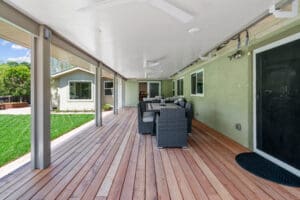
This is where a holistic view pays off. A stunning, drought-resistant front yard isn’t just about the plants; it’s about how it frames and complements your home. When we at EA Home Builders work on a custom remodel in Danville or a home addition in Oakland, we always consider the flow from inside to outside. A modern basement remodel might walk out into a new patio area, or a bathroom remodeling project might include a door to a private gravel garden.
Your new landscape should feel like a natural extension of your home’s style. A sleek, modern home might pair beautifully with a minimalist gravel garden and structural grasses. A craftsman bungalow might shine with a cottage-style mix of native sages and bunchgrasses. The right general contractor or remodeling company will understand this connection. It’s one reason folks search for “home renovation contractor near me” who can see the big picture.
Tackling Your Concerns: Let’s Chat FAQs
We hear a lot of the same great questions from homeowners. Let’s address a few head-on.
1. “Won’t this look sparse and desert-like?”
This is the biggest misconception! A drought-tolerant garden doesn’t mean just cacti and rocks. We’re talking about a rich palette of greens, silvers, and blues, punctuated with seasonal bursts of color from flowering plants like sages, poppies, and buckwheat. It’s lush, but in a smart, textured way. It’s about quality of greenery, not just a monotonous sea of green.
2. “Is it more expensive than installing a lawn?”
Upfront, the price of plants and materials can be higher than sod. However, you need to factor in the long-term savings: dramatically lower water bills, no need for a mower or gas, and minimal fertilizer or pesticide costs. It’s an investment that pays you back month after month. Think of it like choosing quality materials for a kitchen remodeling project—it costs more initially but adds value and saves headaches later.
3. “What about my HOA?”
Good news! California law (AB 2104) significantly restricts an HOA’s ability to prohibit drought-resistant landscaping. They can have guidelines for aesthetics (like requiring a plan), but they cannot outright reject your water-wise upgrade. Come prepared with a thoughtful design. Often, seeing a beautiful plan wins over any skeptical board members.
Bringing Your Golden Bay Oasis to Life
Starting can feel daunting, but just take it one section at a time. Maybe tackle the parkway first, or a sunny side yard. The team at EA Home Builders, your local home remodeling experts in Contra Costa County, always advises starting with a plan. Sketch it out, or better yet, consult with a landscape designer who specializes in drought-wise gardens. They can help you select the right plants for your specific conditions in Walnut Creek, Danville, or wherever you call home in the Bay Area.
And remember, this isn’t just a landscaping project. It’s a statement. It’s about creating a beautiful, responsible outdoor space that fits our California lifestyle. It adds value, saves you time and money, and frankly, it’s just more interesting to look at than a boring old lawn.
So, are you ready to give your yard a promotion? Ditch the high-maintenance turf and embrace the vibrant, resilient, and utterly gorgeous world of drought-resistant landscaping. Your wallet, your schedule, and the planet will thank you. And if your landscape dreams are part of a larger home transformation, you know who to call for the inside work. Let’s create a home—inside and out—that’s perfectly suited for life here in Golden Bay.
FYI, seeing a project through from concept to completion is what we do best. From bathroom renovation contractor services to whole house remodeling, having a team that coordinates all the pieces is the secret to a stress-free expert home improvement experience. Check out our reviews and see why homeowners from Oakland to the nearest towns in Contra Costa choose to work with us. We’d love to help make your home, and your yard, exceptional.