So, you’re thinking about bringing some reclaimed wood into your remodel. Great choice! We’ve been there, both in our own spaces and in countless projects with clients across the Bay Area. There’s just something about wood with a past—the dents, the patina, the sheer character—that new lumber can’t fake, no matter how hard it tries. But let’s be real: working with it isn’t exactly like picking up a pristine 2×4 from the big-box store. It comes with its own set of rules, charms, and occasional headaches.
We’re here to walk you through the best, most stunning ways to use reclaimed wood, and how to sidestep the common pitfalls. Think of this as a chat with a friend who’s made the mistakes, so you don’t have to. And hey, if you get to the end and think, “Wow, I’d rather have an expert handle this,” you know who to call. As a premier remodeling company right here in Contra Costa County, EA Home Builders lives for transforming spaces with materials that tell a story. Whether it’s a kitchen remodeling project in Walnut Creek or a whole house remodeling endeavor in Danville, we love this stuff.
Why We’re All Obsessed with Reclaimed Wood (And You Should Be Too)
Let’s start with the obvious: it looks incredible. But beyond the aesthetics, there are some solid, practical reasons to choose reclaimed lumber for your home renovation.
- Unbeatable Character: Each piece has a unique history—maybe it’s a nail hole from a barn beam, a saw mark from an old factory, or a weathering pattern you could never replicate.
- Environmental Superstar: You’re giving beautiful material a second life. No new trees are cut down, and you’re keeping waste out of landfills. It’s the ultimate in sustainable design.
- Often Superior Quality: A lot of reclaimed wood comes from old-growth trees—dense, stable, and full of tight grain patterns that are harder to find in today’s faster-grown timber.
- It’s a Conversation Starter: Seriously, guests will always ask about that amazing beam or wall. It adds a layer of depth and soul to your home remodeling project that’s just plain cool.
But (and there’s always a but), it’s not all rustic Instagram perfection. The key is knowing how to incorporate it so it feels intentional, not like you forgot to finish the wall. That’s where a seasoned general contractor with experience in custom remodels becomes your best friend.
Getting to Know Your Wood: Types & Sources
Not all reclaimed wood is created equal. Knowing what you’re looking at is step one.
Common Types You’ll Encounter:
- Barn Wood: The classic. Often oak or pine, with heavy weathering, paint splatters, and that iconic grey silvery finish.
- Factory & Warehouse Flooring: Think thick, dense longleaf pine or Douglas fir. It’s usually full of character marks and comes in wider planks.
- Beams and Timbers: Massive pieces perfect for structural accents, mantels, or table bases. Often oak, heart pine, or true fir.
- Fencing & Shipping Materials: Often cedar or pine. Great for more casual, rustic applications.
Where on Earth Do You Find This Stuff?
You have options, from the DIY hunt to the curated selection.
- Reclamation Yards: These are the gold standard. Places like the nearest specialty lumber yard in the Bay Area will have inventory that’s been properly de-nailed, milled, and sometimes even kiln-dried. It’s more expensive but far less hassle.
- Online Marketplaces: Can be a treasure trove, but buyer beware. You really need to see and feel the wood in person. That “charming rustic” photo might be “completely rotten” in reality.
- The DIY Demolition Route: Got a line on an old barn coming down? This is the most work but can be the most rewarding (and cost-effective). Just be prepared for an insane amount of labor and potential hazards.
Pro-Tip from the Field: We once sourced some amazing old-growth redwood from a deconstructed water tank in Oakland for a bathroom remodeling project. It was stunning, but it required meticulous cleaning and stabilizing. Which brings us to our next point…
The Non-Negotiables: Prep & Installation
This is the part where many enthusiastic DIYers get a rude awakening. Skipping prep is a one-way ticket to problems. Here’s our must-do list:
- Clean & De-Nail (Like, Really): Every single piece needs a thorough inspection and metal detection. Hidden nails can destroy saw blades and sanders.
- Check for Contaminants: Especially important for woods from industrial sites. You don’t want unknown chemicals in your home.
- Kiln-Drying is King: This kills any insects, larvae, or mold spores and stabilizes the moisture content. IMO, this is not a step to skip unless you love the idea of warping or unexpected… guests.
- Plan for Imperfection: The wood might be uneven in thickness or width. Your installation plan needs to accommodate that, which is why it’s often best left to expert home improvement pros.
Thinking of tackling a basement remodel with reclaimed wood? Moisture is your enemy. A basement remodel contractor worth their salt will insist on proper moisture testing and sealing for any reclaimed material in that environment. It’s not just about looks; it’s about protecting your investment.
Show-Stopping Ways to Use Reclaimed Wood in Your Remodel
Okay, let’s get to the fun part. Here are our favorite applications, from subtle to spectacular.
The Feature Wall: Your Instant Focal Point
This is the most popular move, and for good reason. It instantly warms up a room and adds incredible texture.
- Which Wall? And Which Pattern?
- The Obvious Choice: The wall behind your bed or your sofa. It anchors the room.
- The Unexpected Hit: A ceiling accent. We did a home addition contractor project in Danville where we clad the vaulted ceiling of a new sunroom in whitewashed barn wood. It felt like being in a cozy, modern cabin.
- Pattern Play: Go beyond simple horizontal planks. Try herringbone, chevron, or a vertical installation to heighten a space.
Kitchen & Bathroom Brilliance
Yes, you can use it in “wet” spaces! It’s all about the application and finish.
- Kitchen Cabinet Accents
Using reclaimed wood for an entire kitchen of cabinets can be a lot (and a cost commitment). Instead, use it as an accent on an island, on open shelving, or as a furniture-style range hood. It breaks up the monotony of painted or stained modern cabinets beautifully. - Bathroom Vanities & Accents
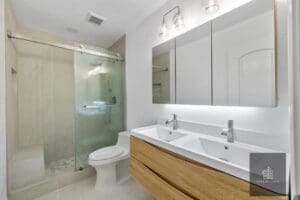
A reclaimed wood vanity base brings warmth to a stone-and-tile bathroom. For a bathroom renovation contractor, the trick is using a thick, waterproof top (like quartz) over the wood and ensuring multiple coats of a durable, moisture-resistant finish. We’ve seen it work brilliantly in luxury home renovations where contrast is key.
Structural Drama: Beams and Mantels
This is where reclaimed timbers shine.
- Adding faux beams to a flat ceiling creates instant architectural interest.
- A chunky, reclaimed wood mantel becomes the undeniable heart of a living room. It doesn’t need a fireplace to be a hero—we’ve installed them as floating shelves or headboards with the same effect.
Flooring That Tells a Tale
Reclaimed wood flooring is the ultimate commitment. It’s durable, full of history, and stunning. FYI, the price for good reclaimed flooring is often higher than for new, premium hardwood, because of all the re-milling and prep work. But you’re getting a one-of-a-kind floor. Work with a general contractor who has specific experience here—installation is different, and finishing needs to protect the character without hiding it.
The Magic of Smaller Accents
Not ready for a big wall or floor? Dip your toes in.
- Open Shelving: Simple brackets + reclaimed planks = instant kitchen or bathroom charm.
- Furniture: A live-edge slab coffee table or a set of floating nightstands.
- Door and Window Trim: Frame your views and openings with something that has more personality than plain MDF.
Let’s Talk Practicalities: A Quick Comparison
Here’s a useful table to break down the considerations for different applications:
| Application | Character Level | DIY-Friendliness | Professional Recommendation | Key Consideration |
|---|---|---|---|---|
| Feature Wall | High | Medium | Highly Recommended | Ensuring a secure, level install over drywall. Pattern planning. |
| Flooring | Highest | Low | Essential | Subfloor prep, milling for tongue & groove, professional sanding/finishing. |
| Kitchen Island | Medium-High | Low | Highly Recommended | Integrating with cabinetry, choosing a durable, food-safe top and finish. |
| Faux Beam | Medium | Medium-High | Recommended for complex mounts | Safety – proper mounting to ceiling joists is critical. |
| Open Shelving | Medium | High | Can be DIY | Selecting sturdy brackets and ensuring shelves are level and securely anchored. |
| Bathroom Vanity | Medium | Low | Essential | Moisture protection, integrating with plumbing, and choosing an impervious top. |
Working with the Pros (Why It’s Usually the Best Idea)
We get it. The DIY spirit is strong. But after years as a home remodeling contractor, we’ve seen the “after” of too many well-intentioned projects. Sourcing, prepping, and installing reclaimed wood is a specialized skill set. A great remodeling company does more than just hang planks; they:
- Help you source quality material efficiently (saving you time and costly mistakes).
- Have the tools and expertise to handle irregular materials.
- Know the building codes, especially for structural or fireplace-adjacent applications.
- Can seamlessly integrate the reclaimed element with the new construction, so it looks like it belongs, not like an afterthought.
When you read reviews for EA Home Builders, you’ll often see clients mention how we handled a unique material or idea. That’s our sweet spot—blending the character you love with the precision your home needs. Looking for the closest expert for a basement contractors job or a bathroom renovation contractor? Make sure their portfolio shows real, finished examples of reclaimed work.
Your Reclaimed Wood Questions, Answered
Q1: Is reclaimed wood more expensive than new wood?
Often, yes. You’re paying for the sourcing, processing (cleaning, de-nailing, kiln-drying), and often, the rarity of the material. However, when used as an accent rather than for an entire structure, you can control the cost. Think of it as investing in art, not just lumber.
Q2: How do I maintain and clean reclaimed wood surfaces?
It depends on the finish! For a clear matte sealant, usually just dusting and a slightly damp cloth. For oiled finishes, you might need to re-oil periodically. For a wall or ceiling, a soft duster or vacuum brush attachment is perfect. The key is to avoid harsh chemicals or abrasive pads that can strip the finish or patina.
Q3: Can I use reclaimed wood for an exterior project, like a deck or siding?
You can, but you must be extremely selective. The wood needs to be thoroughly kiln-dried and then finished with a high-quality exterior-grade sealant designed for UV and moisture protection. Even then, it will weather and change. For something as demanding as a deck, consulting with an expert home improvement team is crucial to ensure longevity and safety.
So, there you have it. Reclaimed wood can be the soul of your custom remodel, adding warmth, history, and undeniable style. It asks for a little more respect and planning than a trip to the lumberyard, but the payoff is a home that feels deeply personal and authentically yours.
If you’re dreaming up a project in Walnut Creek, Danville, Oakland, or anywhere in the Bay Area and want to talk about making reclaimed wood the star of the show, give us a shout at EA Home Builders. Let’s build something with a story together. And please, leave the sledgehammer work on that 100-year-old barn to us 🙂