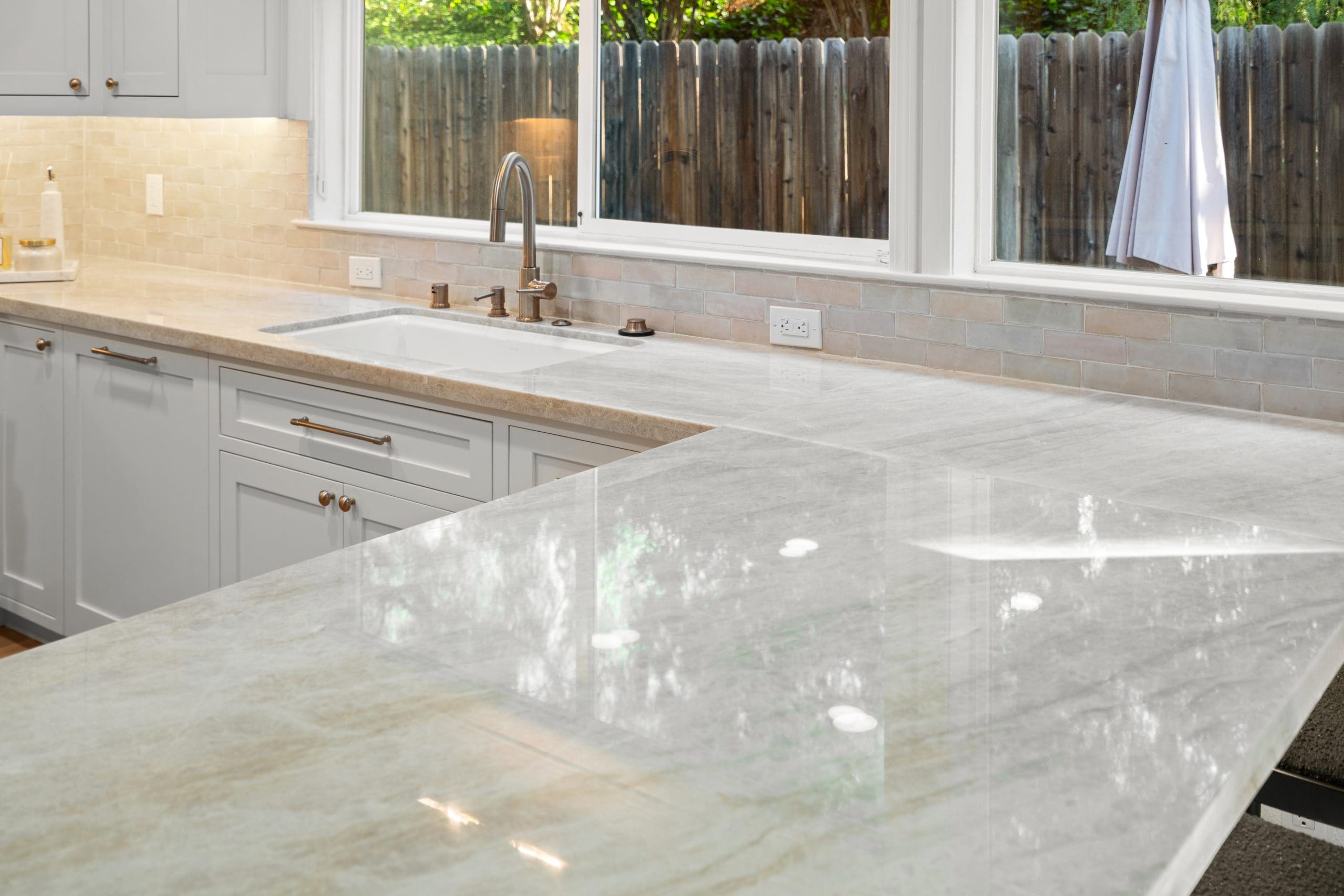
Hey there, fellow home enthusiast. So, you’ve fallen in love with the idea of an open floor plan—that beautiful, flowing space where light dances from room to room and nobody feels trapped in a conversational cul-de-sac during a party. We get it. We’ve helped countless folks in the Bay Area chase that dream. But let’s be real: knocking down walls is the easy part. The real magic (and where many trips over the throw rug) is in the combining. It’s not just one big room; it’s several rooms elegantly sharing one address.
Done right, it feels like a breath of fresh air. Done wrong? It can feel like a furniture warehouse showroom or an acoustic nightmare where you hear every chip crunch from the kitchen during a movie. We’re here from EA Home Builders, your local general contractor specializing in custom remodels across Contra Costa County, to walk you through the dos and don’ts. Think of us as your friendly guides, here to help you avoid the pitfalls and create a space that’s both stunning and supremely functional.
The Philosophy Behind the “Open” Concept
First, let’s align on the goal. An open floor plan isn’t about creating emptiness; it’s about creating connection and flexibility. It’s for the family chef who wants to be part of the living room laughter, or the person who loves to entertain without being sequestered in the kitchen remodeling zone. But here’s the kicker: you still need definition. Without it, the space feels chaotic and unfinished. Our job as your remodeling company is to help you design intentional zones that live in harmony.
The Definitive Dos of Combining Rooms
Alright, let’s get into the good stuff—the strategies that make a combined space sing.
DO: Define Zones with Purpose
This is non-negotiable. Even without walls, your living, dining, and kitchen areas need their own identities.
- Use Area Rugs: The simplest trick in the book. A rug anchors a furniture grouping and visually cordons off a sitting area from a walking path.
- Vary Lighting: Overhead cans are great, but they’re a one-note song. Layer in pendant lights over the dining table, a statement chandelier in the living zone, and under-cabinet task lighting in the kitchen. The light itself tells you what each area is for.
- Play with Furniture Placement: Float your sofa with its back to the kitchen to create a soft boundary. Use a console table behind it as a landing strip. In a recent whole house remodeling project in Danville, we used a long, low bookshelf as a graceful divider between a casual lounge area and a more formal reading nook. It worked like a charm.
DO: Create a Cohesive Visual Language
This is where your inner designer shines. The spaces need to talk to each other.
- Choose a Unified Color Palette: Pick 2-3 main colors and use them throughout the open space. You can use different accents in each zone (throw pillows in the living room, a vase in the dining area), but the core palette ties it all together. Clashing wall colors in an open plan is a classic “don’t” we see too often.
- Coordinate Flooring: This is huge. For a seamless flow, use the same flooring material throughout. If you love the idea of different materials (say, hardwoods for living and elegant tile for the kitchen), ensure they are the same tone and height. We can’t tell you how many times we’ve been called for a home renovation to fix a tripping hazard from a poorly planned floor transition. FYI, here’s a quick cheat sheet we often discuss with clients:
| Material Combo | Pro Tip for Transition |
|---|---|
| Hardwood to Tile | Use a metal Schluter strip for a clean, modern look. Ensure subfloor heights are perfectly matched during installation. |
| Hardwood to Carpet | A simple wooden threshold strip works best. Opt for a low-pile carpet for a less dramatic height change. |
| Tile to Luxury Vinyl Plank (LVP) | These can often be butted together tightly with color-matched caulk for a nearly invisible seam. |
DO: Consider the Flow of Life (and People)
How will you actually live in this space? Walk the floor plan in your mind.
- Maintain Clear Pathways: Keep major traffic lanes at least 36 inches wide. Nobody wants to shimmy sideways between the island and the sofa.
- Think About Acoustics: All those hard surfaces can make a room loud. Soften things up with textiles: curtains, plush rugs, upholstered furniture, and even acoustic panels disguised as art. Ever wondered why some open-concept homes still feel so serene? Strategic soft surfaces are usually the secret.
- Plan for Storage Everywhere: An open plan means clutter is on full display. Ample, clever storage in each zone is critical. Think built-in cabinets flanking the fireplace, banquette seating with hidden storage in the dining area, and a deeply planned kitchen remodeling design with a place for every appliance.
The Crucial Don’ts to Avoid at All Costs
Now, let’s talk about the missteps. We’ve seen ‘em, and we want you to avoid them.
DON’T: Treat It Like One Gigantic Room
This is the most common error. Furnishing the entire space with matching, same-height furniture from a single set makes it feel like a hotel lobby. Create variation in scale and function.
DON’T: Neglect the Structural Realities
Here’s where you need a pro. That wall you’re eyeing might be load-bearing. Part of our job as your expert home improvement partner is to handle the engineering. We coordinate with architects and engineers, especially for projects in areas like Walnut Creek and Oakland where homes have unique structural personalities, to ensure everything is safe, permitted, and sound. This isn’t a DIY guesswork situation.
DON’T: Forget About Functionality for Daily Living
Open concept is gorgeous, but does it work for your life?
- Cooking Smells and Noise: A powerful vent hood is your best friend in an open kitchen. Don’t cheap out here. IMO, it’s as important as your oven.
- The “Where Do We Put the TV?” Conundrum: Plan your furniture layout around focal points. Sometimes this means getting creative with mounts that allow the TV to swivel, or designing a beautiful cabinet that conceals it when not in use.
- Losing All Privacy: It’s okay to want a little separation! We often incorporate half-walls, double-sided fireplaces, or gorgeous sliding barn doors that can close off a study or media room when needed. The goal is flexibility.
DON’T: Get Too Theme-Happy
While cohesion is key, a little eclectic charm is what makes a home yours. Don’t be afraid to mix wood tones or introduce a pop of unexpected color in one zone. It adds depth and personality. Just keep the foundation consistent.
How EA Home Builders Makes Your Open Concept Dream a Reality
We know this sounds like a lot to balance. That’s where a seasoned home renovation contractor comes in. At EA Home Builders, based right here in Contra Costa County, we don’t just swing hammers. We are planners, designers, and problem-solvers. Whether you’re in Danville, Walnut Creek, or anywhere in the Bay Area, our process is built to navigate the complexities of combining spaces.
From the initial consult where we talk about your lifestyle and cost expectations, through meticulous planning that addresses every duct, wire, and beam, to the final finish where every detail aligns—we’re with you. We handle everything, from the luxury home renovations that require custom millwork to the practicalities of making a basement remodel flow seamlessly with the upstairs. You don’t need to search for a “bathroom renovation contractor near me” and a “basement contractor” separately. As your full-service general contractor, we manage all the trades under one roof, with one point of contact. It’s infinitely less stressful, and it ensures the vision for your entire home is unified.
And because we’re your nearest local experts, we understand the specific styles, permitting processes, and even the lighting quality of our nearby communities. You can check our reviews; our clients often mention how we transformed the flow of their home while making the process feel manageable.
Your Open Floor Plan Questions, Answered
We hear these all the time in our consultations:
1. “Won’t an open floor plan make my home feel less cozy?”
It’s a valid concern! The trick is to create “emo corners” (sorry, we had to). Cozy isn’t about small walls; it’s about intimate, well-defined seating areas, warm lighting layers, and rich textures. A large room can have several cozy moments within it.
2. “What’s the realistic price range for a project like this?”
There’s no one-size-fits-all answer, as cost depends on structural work, finishes, and the scope of related updates (like that kitchen remodeling or bathroom remodeling you’ll likely want to do simultaneously). For a quality, mid-range custom remodel involving moving walls and updating key spaces, you should be prepared for a significant investment. We provide transparent, detailed quotes so you know exactly what you’re investing in. The value it adds in livability and future resale, however, is often immense.
3. “We love the idea, but we also need more space. Can we combine rooms AND add on?”
Absolutely. This is where a home addition contractor mindset is crucial. Often, the most spectacular results come from combining an existing space with a thoughtfully designed addition. It’s a chance to reimagine your home’s entire footprint. We’ve done projects where we removed walls and extended the rear of the house, creating a breathtaking great room that connects to the backyard—truly the best of both worlds.
Let’s Start the Conversation
Combining rooms in an open floor plan is one of the most rewarding projects in home remodeling. It modernizes your life, enhances how you connect with family and guests, and truly customizes your home for you. But it requires a careful blend of art, science, and lived-in practicality.
If you’re dreaming of a more open, flowing home here in the East Bay, let’s chat. Don’t just Google “home remodeling near me” and hope for the best. Reach out to us at EA Home Builders. We’ll bring our experience from hundreds of successful projects, our network of skilled craftspeople, and a genuine enthusiasm for creating spaces that are as functional as they are beautiful. Your dream space isn’t just about removing walls—it’s about building a better life within them. Let’s build yours together.