Alright, let’s have a real talk about your house. Ever walk from your sleek, modern kitchen into a living room that feels like it’s stuck in a 1970s time capsule? Or maybe your serene bedroom opens into a hallway that screams “builder basic”? We’ve all been there. That jarring feeling isn’t just in your head; it’s a design flow problem, and it makes your whole home feel less like a sanctuary and more like a collection of random rooms someone threw together.
Here’s the good news: creating a cohesive design flow doesn’t mean you need to whole house remodeling project tomorrow or make every room an identical, boring clone. It’s about intentional threads that tie your spaces together, making your home feel thoughtfully curated, not accidentally assembled. It’s what transforms a house into your home. As a general contractor who eats, sleeps, and breathes this stuff, we see the magic that happens when flow is prioritized. So, grab a coffee, and let’s break down how to make your rooms talk to each other (politely, and with great style).
The Foundation: It’s All About the “Golden Threads”
Think of cohesion as weaving a story throughout your home. You don’t need the same plot in every chapter, but you need consistent characters and themes. These are your “Golden Threads.” Ignoring them is the #1 reason home remodeling projects can feel “off” even when individual rooms look great.
We’re talking about the subtle elements that guide your eye and your feet smoothly from one space to the next. When these threads are broken, your brain subconsciously notes the disconnect. Getting them right? That’s the secret sauce of expert home improvement.
Thread #1: The Flooring Fandango
Flooring is the literal foundation of flow. The most common mistake? Using a different flooring material in every single room. Talk about a visual traffic jam.
- The Strategy: You don’t need the same wood or tile everywhere. The goal is visual continuity.
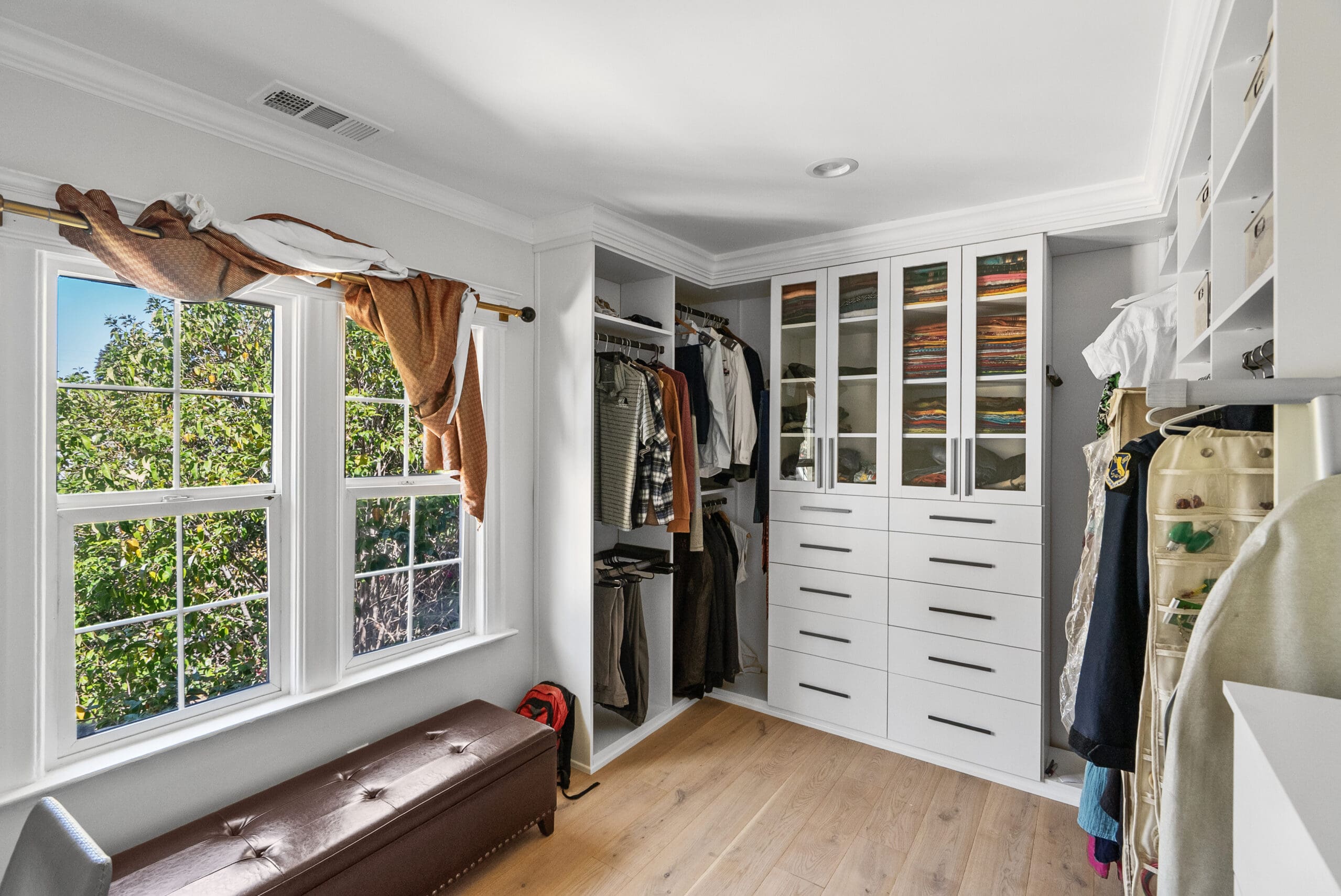
- Pro Tip: Use the same material in all primary, connected living spaces (e.g., hardwood from the foyer through the living room and dining room). Then, you can transition to something different, but related, in more private spaces like bedrooms. The key is a logical transition, not a hard stop.
- Our Take: In many of our custom remodels in Danville and Walnut Creek, we run wide-plank hardwood through the main level. For a basement remodel, we might use a luxury vinyl plank that mimics that hardwood’s tone and plank width. It feels connected, not identical. Suddenly, that basement contractors work feels like part of the original home.
Thread #2: The Color Code Conundrum
We’re not saying paint every wall the same shade of greige (unless that’s your joy, no judgment). We’re talking about a curated palette.
- The Strategy: Choose a whole-home color palette of 3-5 colors. One might be your dominant neutral, another an accent, and a third for pops of drama.
- Pro Tip: Let these colors rotate roles from room to room. The navy blue that’s an accent wall in the living room can appear as throw pillows in the bedroom and tiles in the bathroom remodeling project. The warm white on your kitchen cabinets can be the wall color in the hallway.
- Funny Story: We once saw a home where the owner fell in love with a different “color of the year” for every room. It was… energetic. Let’s just say it lacked the serene flow most of us are after. A cohesive palette is calming, not chaotic.
Thread #3: Trim & Doors: The Unsung Heroes
This is where many remodeling company teams really focus. Mismatched trim styles (colonial in one room, craftsman in another) or doors that don’t match is a surefire way to kill cohesion.
- The Strategy: Keep your trim profile consistent throughout. Same for interior doors and hardware.
- Pro Tip: If you’re updating, this is a project with huge impact. Swapping out all builder-grade hollow-core doors for consistent shaker-style doors, for example, makes the entire house feel more substantial and designed. It’s a detail we always emphasize.
Room-to-Room Strategies: Making the Connections
Now, let’s get practical. How do you apply these threads between specific spaces? Here’s a cheat sheet.
| From This Room… | To This Room… | Key Flow Strategy |
|---|---|---|
| Kitchen | Living/Dining Room | Continue cabinetry style or color as built-ins in adjoining room. Use a complementary countertop material on a wet bar. |
| Living Room | Hallway/Stairs | Carry the same flooring up the stairs. Use a lighter or darker shade of the main wall color in the hallway. |
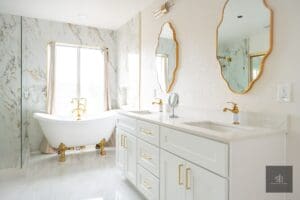
| Primary Suite | Ensuite Bathroom | Use the same tile from the shower as a decorative ledge in the bedroom. Repeat metal finishes (lighting, hardware). |
| Main Floor | Basement | Use cohesive lighting styles. Echo architectural details like ceiling beams or column styles. |
The Kitchen & Living Room: The Heart of the Home
This is the big one. Your kitchen remodeling project shouldn’t end at the peninsula. The kitchen often “leaks” visually into the living space.
- Sight Lines Are King: What do you see from your sofa? The back of your fridge? Aim for something beautiful. A great tip is to use the same or similar backsplash material on a kitchen feature wall visible from the living room.
- Furniture & Finish Harmony: If your kitchen has bronze cabinet pulls, maybe your living room side tables have bronze legs. The wood tone of your kitchen island could match your coffee table. These are the thoughtful touches that sing.
- Why It Matters: This connection is crucial for resale and daily joy. It’s why open-concept plans remain popular, but even separated rooms can feel linked this way. When EA Home Builders plans a luxury home renovation, we spend hours sight-lining from every major vantage point. It’s that important.
Private Sanctuaries: Bedrooms & Bathrooms
Flow here is about evoking a feeling, not just a look. Your bedroom and bathroom should feel like parts of the same peaceful retreat.
- Texture is Your Friend: Plush bedroom carpets should relate to the soft, absorbent mats in the bathroom renovation. Natural wood vanities in the bath connect to wood bed frames or dressers.
- Lighting Language: Keep the lighting temperature consistent. Cool, bright lights in the bathroom paired with warm, dimmable lights in the bedroom? That’s a mood killer. Choose fixtures that speak the same design language—modern, rustic, vintage, etc.
- Personal Anecdote: We worked on a home addition contractor project in Oakland adding a primary suite. The homeowners picked a gorgeous, serene green for the bedroom. Instead of a stark white bathroom, we used a lighter shade of that same green on the bathroom walls and brought in the same marble from the bathroom counter as nightstand tops. The result was a seamless, spa-like escape. They still thank us for that advice!
When to Call in the Pros (And Why It’s Worth It)
Look, we get it. Planning this level of detail can feel overwhelming. You’re searching for a “home renovation contractor near me” and are bombarded with options. How do you know who gets it?
- The Vision Thing: A true expert home improvement team doesn’t just execute a list; they help craft the vision for the entire home, even if you’re remodeling one room at a time. They’re thinking two steps ahead.
- Avoiding Costly Oops: There’s nothing worse than finishing a beautiful basement remodel only to realize it feels completely disconnected from the upstairs. A professional remodeling company will prevent that. They manage the trades, the timeline, and most importantly, the cohesive vision.
- The EA Home Builders Angle: Here in Contra Costa County, we see a lot of amazing homes with disconnected additions. Our specialty at EA Home Builders is making new work look and feel like it was always there. Whether it’s a bathroom remodeling project or a full whole house remodeling plan, we obsess over those golden threads. Why? Because we live here too, and we want your home to be the best on the block. Checking reviews is always smart, but also look at a contractor’s portfolio for whole-home continuity.
Your Top Flow Questions, Answered
Let’s tackle some of the big questions we hear daily.
1. “I can only afford to remodel one room at a time. How can I ensure future cohesion?”
Fantastic question, and a super-smart approach. The answer is: Start with a whole-house plan. Before you touch a single sledgehammer, work with a design-build general contractor to create a master plan. Know the finish palette, flooring choices, and trim details for your eventual end state. Then, you can execute phase one (say, the kitchen remodeling) with those future choices in mind. This prevents you from painting yourself into a corner (literally and figuratively). It might seem like an extra step, but it saves immense cost and regret later.
2. “How much does fixing a major flow issue actually cost?”
Ah, the million-dollar question (hopefully not literally). The price is incredibly variable. Simply updating all interior doors and trim is a moderate investment with high impact. Reconciling mismatched flooring throughout a whole house? That’s a bigger undertaking. The best move is to get a consultation. Most reputable contractors, like us at EA Home Builders, will offer one. We can tell you what the most disruptive issues are and give you a phased plan to tackle them. You might be surprised—sometimes the fixes are simpler than you think.
3. “My home has a mix of old charm and new additions. Can flow ever be achieved?”
Absolutely! This is a common challenge in the Bay Area, especially in Walnut Creek and Oakland homes with historic cores and modern wings. The key is respectful dialogue, not replication. You don’t fake 100-year-old craftsmanship. Instead, find bridging elements. Maybe the old house has original hardwood; you can install a new hardwood in the addition that’s a complementary species and stain. The old house has classic, simple trim; you can install a similarly proportioned modern trim in the new spaces. It’s about creating a family resemblance, not twins.
Wrapping It All Up
Creating a cohesive design flow isn’t about being matchy-matchy or spending a fortune. It’s about being intentional. It’s choosing to connect your spaces with those golden threads of flooring, color, and detail so that your home tells one beautiful, uninterrupted story.
Start by looking at your home with a critical eye. Where do the visual bumps happen? Then, make a plan. Whether you tackle it yourself over time or partner with a home remodeling pro to bring it all together efficiently, the payoff is a home that feels larger, calmer, and utterly yours.
And if you’re looking at those disconnected rooms and thinking, “Yeah, I need a pro,” well, you know who to call. For folks in Contra Costa County and the nearest East Bay communities, our team at EA Home Builders lives for this puzzle. Let’s make your home flow beautifully, from the front door to the basement remodel and everywhere in between. IMO, it’s the best kind of project there is 🙂